
Cuba is facing a deepening humanitarian, economic, and energy crisis—one that is affecting nearly every aspect of daily life.
The country’s electrical grid has suffered repeated nationwide collapses this year, and many communities have endured outages lasting for hours and, in many cases, several days. This is far more than an inconvenience. For families already struggling to meet their basic needs, the energy crisis is becoming a crisis of survival.
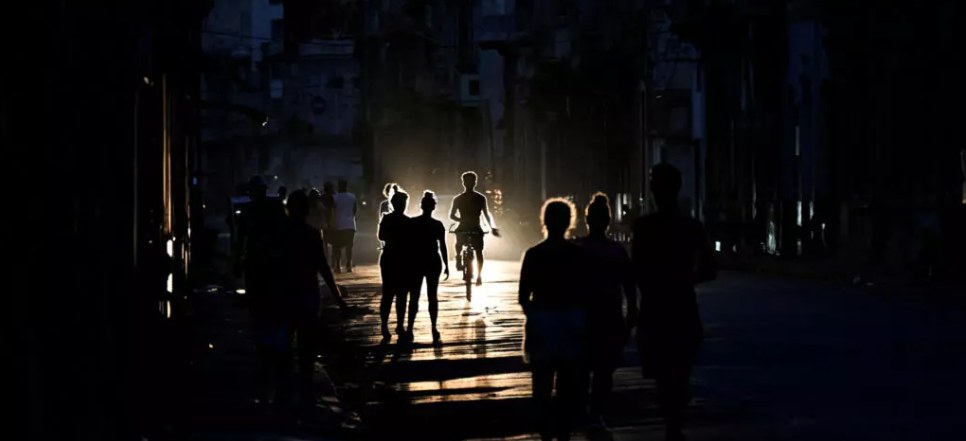
Cubans walk on a street during a blackout in Havana, AFP
When electricity is available only for short, unpredictable periods, refrigerators and freezers cannot reliably keep food cold. For families who already have very little, losing precious food because of a prolonged blackout can be devastating. As a result, many families choose to use their limited income to purchase only the food they need for the day, at a time when food shortages and extraordinarily high prices are making these daily necessities increasingly difficult to afford.
The lack of electricity also disrupts the water supply, since pumps and distribution systems depend on power. When the electricity goes out, families may be left without running water for hours or even days, making it difficult to drink, cook, bathe, wash clothes, and maintain basic hygiene.
The healthcare system is also under tremendous strain. Severe shortages of medicines are compounded by inadequate sanitation and garbage collection, while illnesses such as dengue fever and chikungunya continue to spread. Each crisis intensifies the others, creating a cycle of hardship that is increasingly difficult for families to escape.
In the midst of all this, the Methodist Church in Cuba remains alive, faithful, and committed to service.
Churches are not only places of worship where lives are transformed through salvation in Jesus Christ. Increasingly, they are becoming places of refuge—where people find food, medicine, emotional support, practical assistance, and, above all, the love of Christ made tangible.
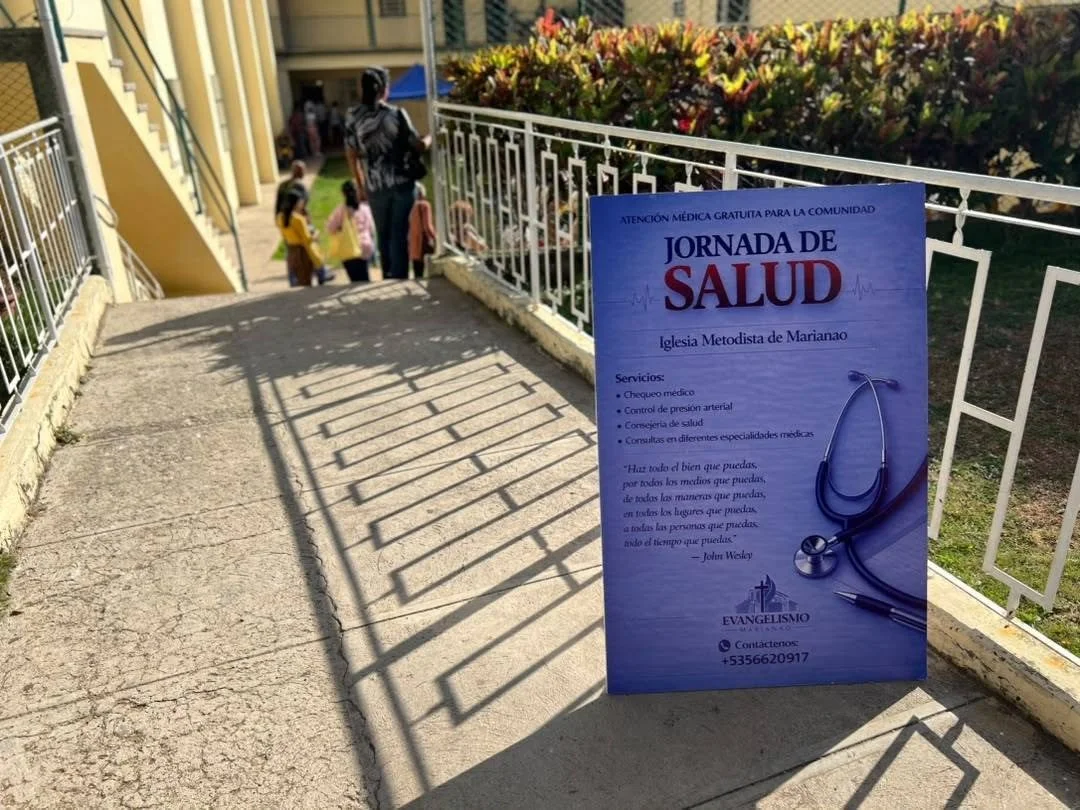
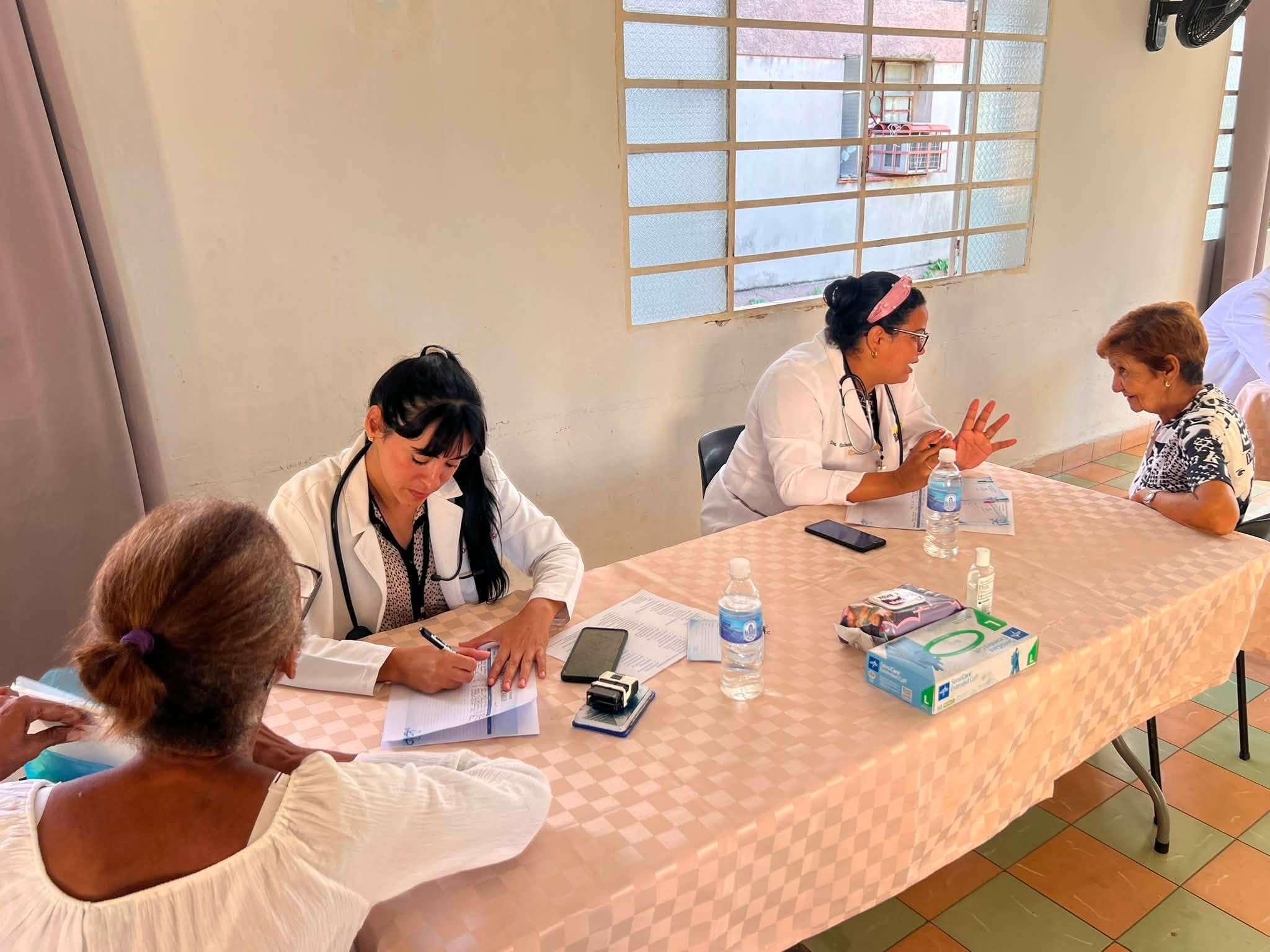
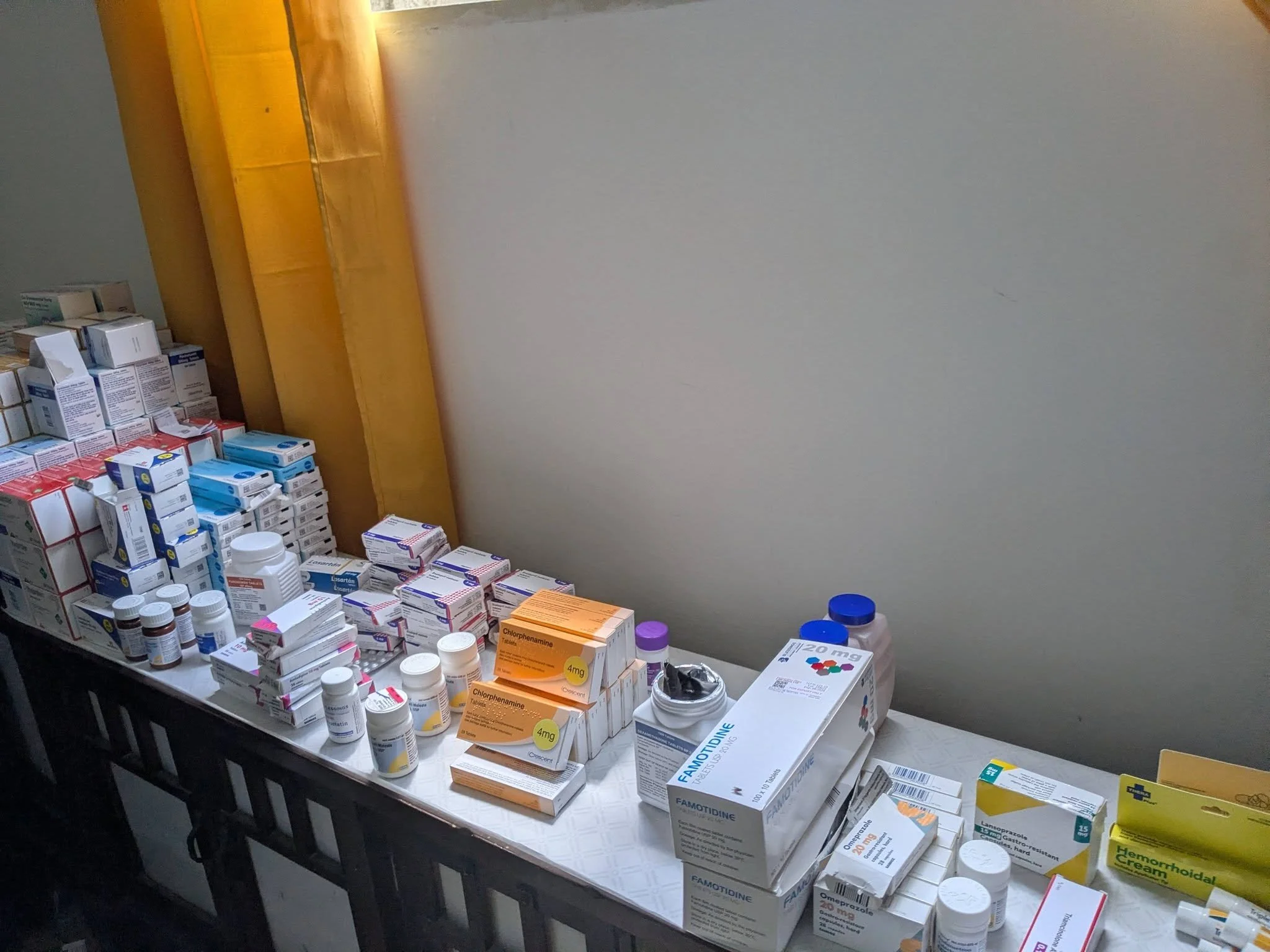
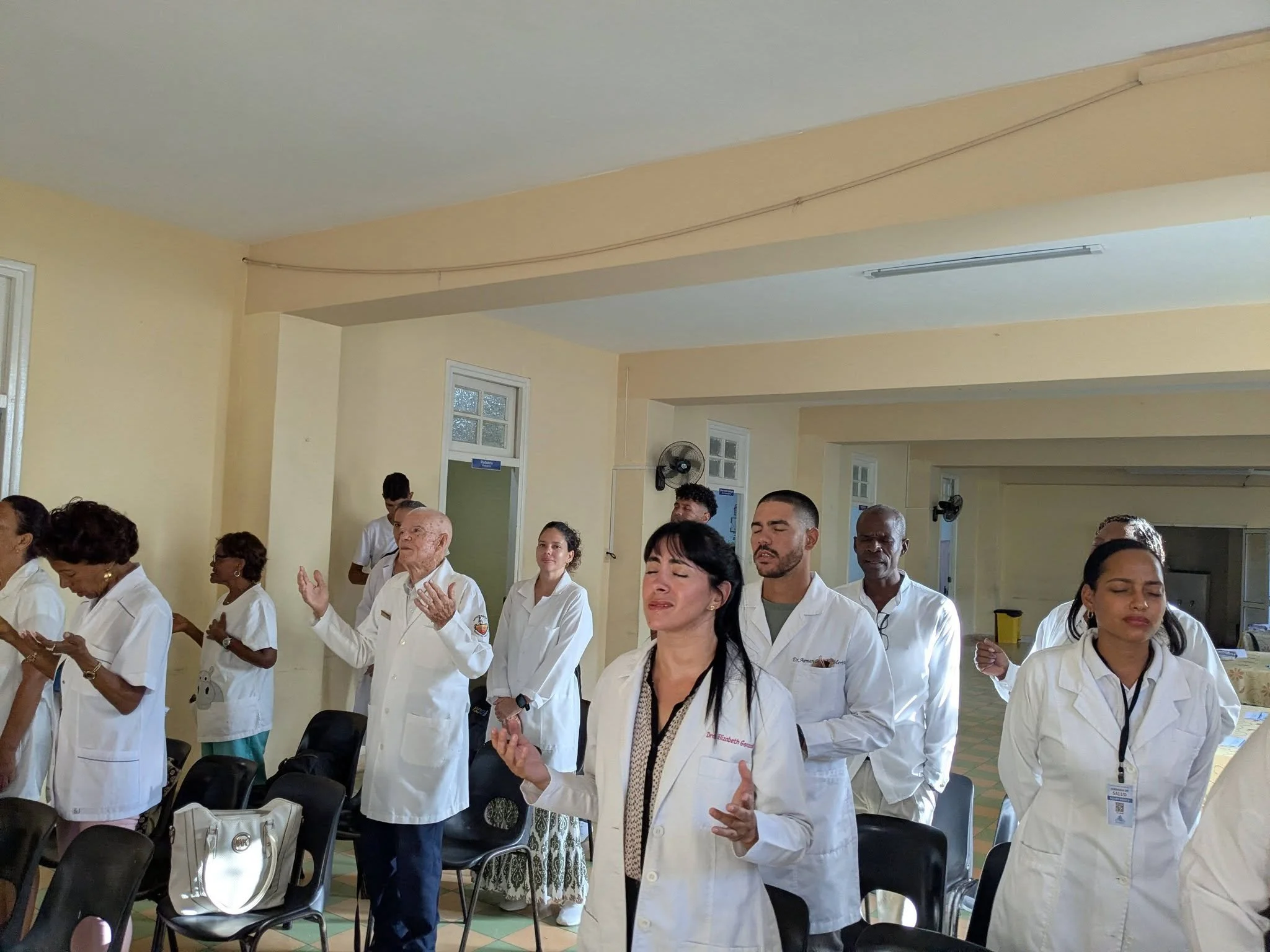
One example can be seen in Marianao, where a church-based health event brought care, medicine, and assistance directly to the community. Images from the event show faith being put into action as people came together to serve their neighbors and respond to needs that have become increasingly difficult for many Cuban families to meet.
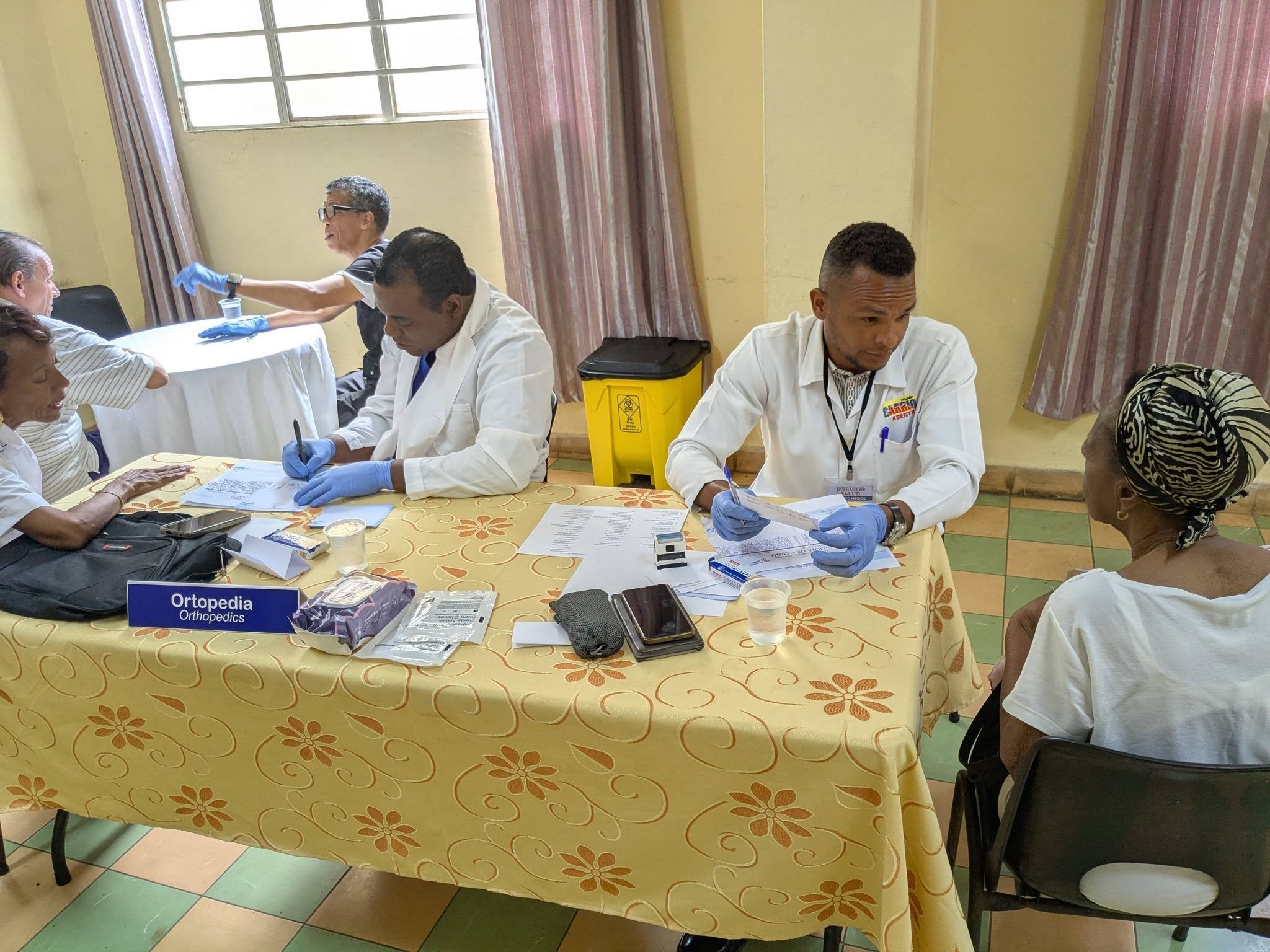
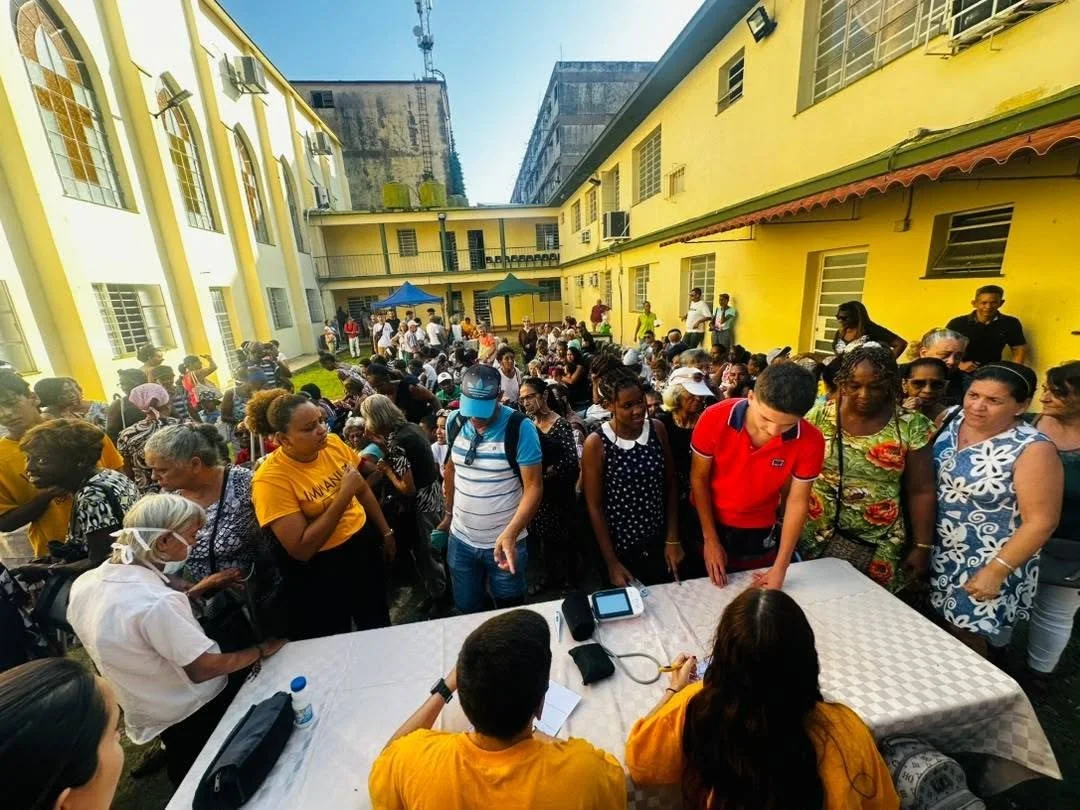
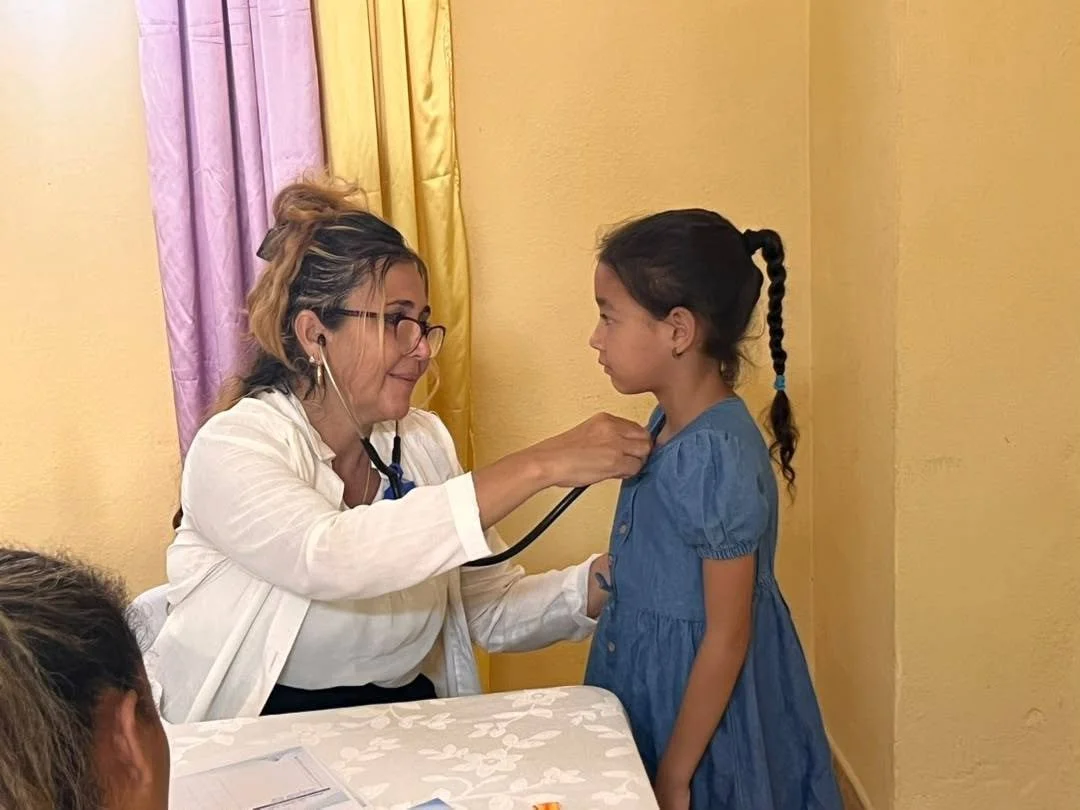
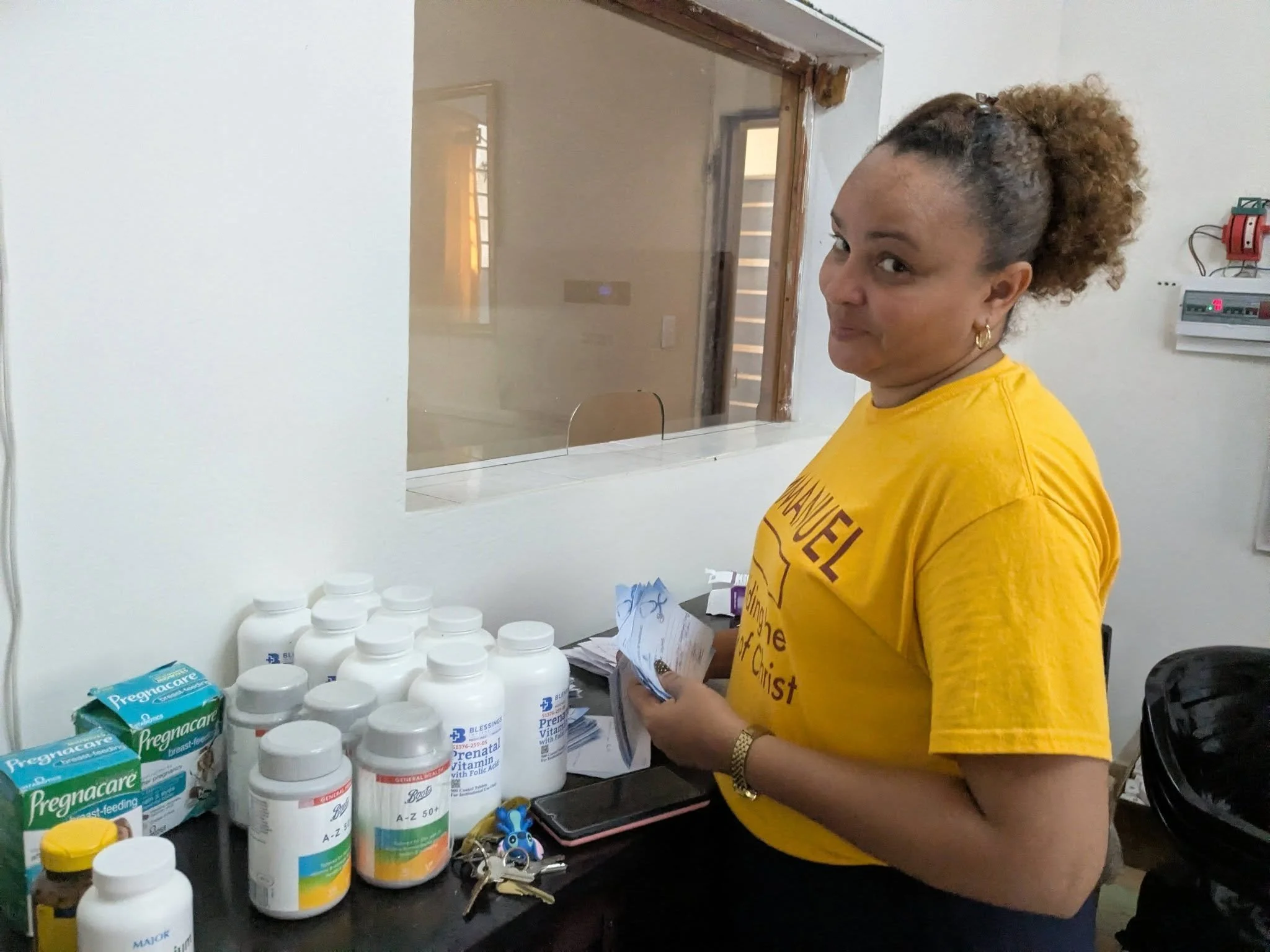
The darkness is real. But the church has not disappeared into the darkness.
On the contrary, this crisis is revealing something deeply important about the Methodist Church in Cuba: its ministry is becoming increasingly tangible. Faith is being expressed not only through words and worship, but through meals shared, medicine distributed, prayers offered, families supported, and neighbors cared for.
In a time when so much feels uncertain, these churches remind us of a simple but powerful truth: ministry does not depend on ideal circumstances. Faithfulness can be found in keeping the doors open, sharing what little is available, caring for a neighbor, and continuing to serve when doing so is difficult.
And here is where CUBA Ministry becomes part of the story.
Through the generosity of churches, individuals, and ministry partners in the United States, CUBA Ministry comes alongside the Methodist Church in Cuba, helping local churches and pastors continue the work they are already doing in their communities.
That support takes many forms. Monthly salary supplements help pastors continue serving despite a basic monthly salary of only $8. Packages of prescription and over-the-counter medicines help address critical shortages and support church-based medical commissions. Solar generators provide churches with essential power during prolonged outages, and water filtration systems help provide safer drinking water while creating another practical way for churches to serve their neighbors.
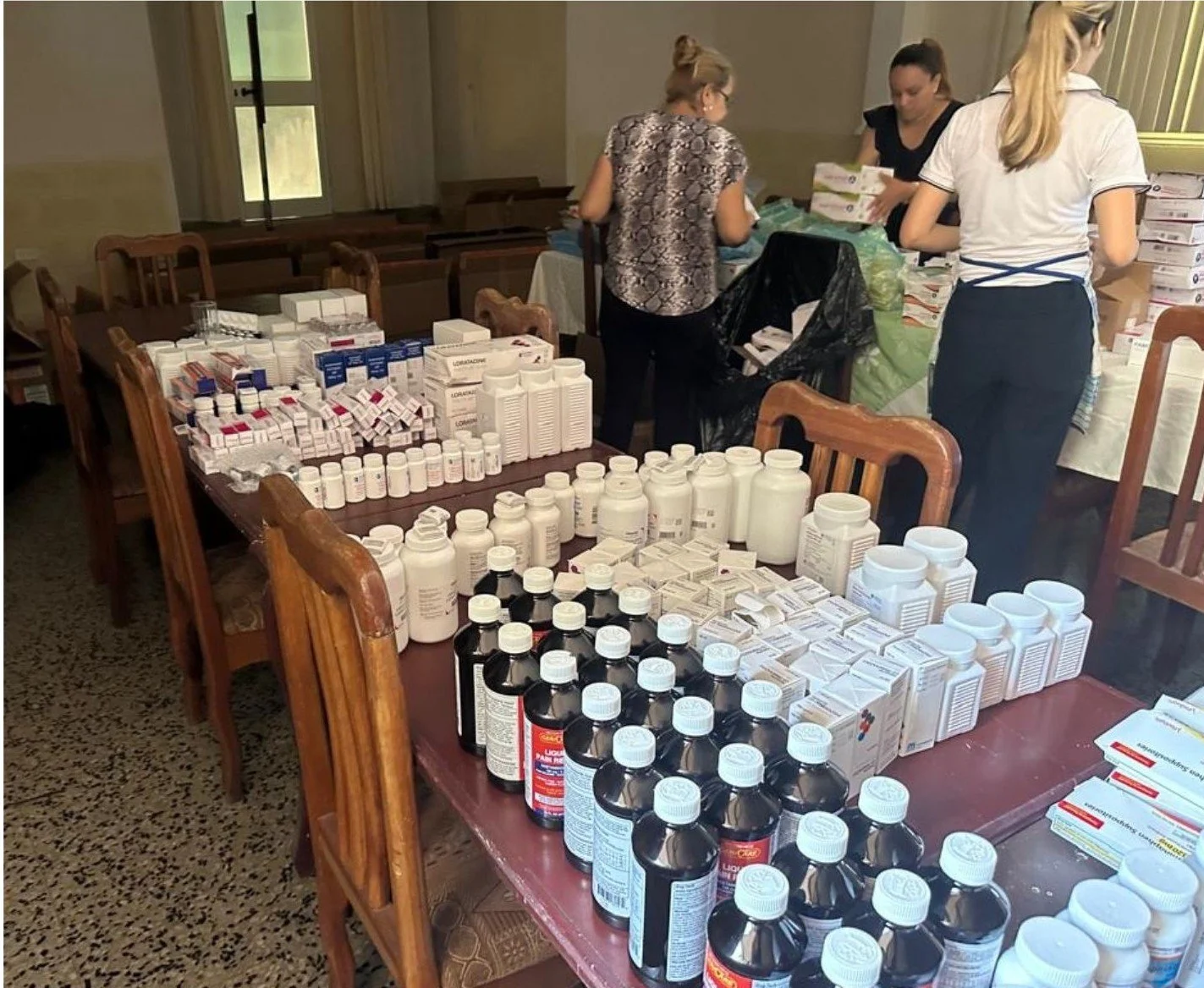
A group of volunteers in Havana sorts and organizes medicines donated by CUBA Ministry.
None of these efforts can solve Cuba’s enormous challenges. But each one represents something important: a reminder that the Methodist Church in Cuba is not alone.
A salary supplement can help a pastor continue serving. Medicine can bring relief to someone who is sick. A water filter can help protect a community. A solar generator can bring light and essential power during a blackout. And a gift of food can put a meal on a family’s table.
Through CUBA Ministry, we have the privilege of standing alongside the Methodist Church in Cuba—not simply as donors, but as partners in ministry, faith, and hope.
We invite you to learn more about this ministry, pray for the pastors, churches, and communities serving throughout Cuba, share their stories, and discover ways to become part of this work. If you would also like to support these efforts financially, visit cubaministry.org/give and designate your gift “Wherever Needed Most.” To learn more about other ways to participate, please contact me at icel@cubaministry.org.