by Barbara Moore

My name is Barbara Moore, and I serve as the mission leader for our three sister churches in Holguín, Cuba: Caliche, El Mamey, and Palmarito.

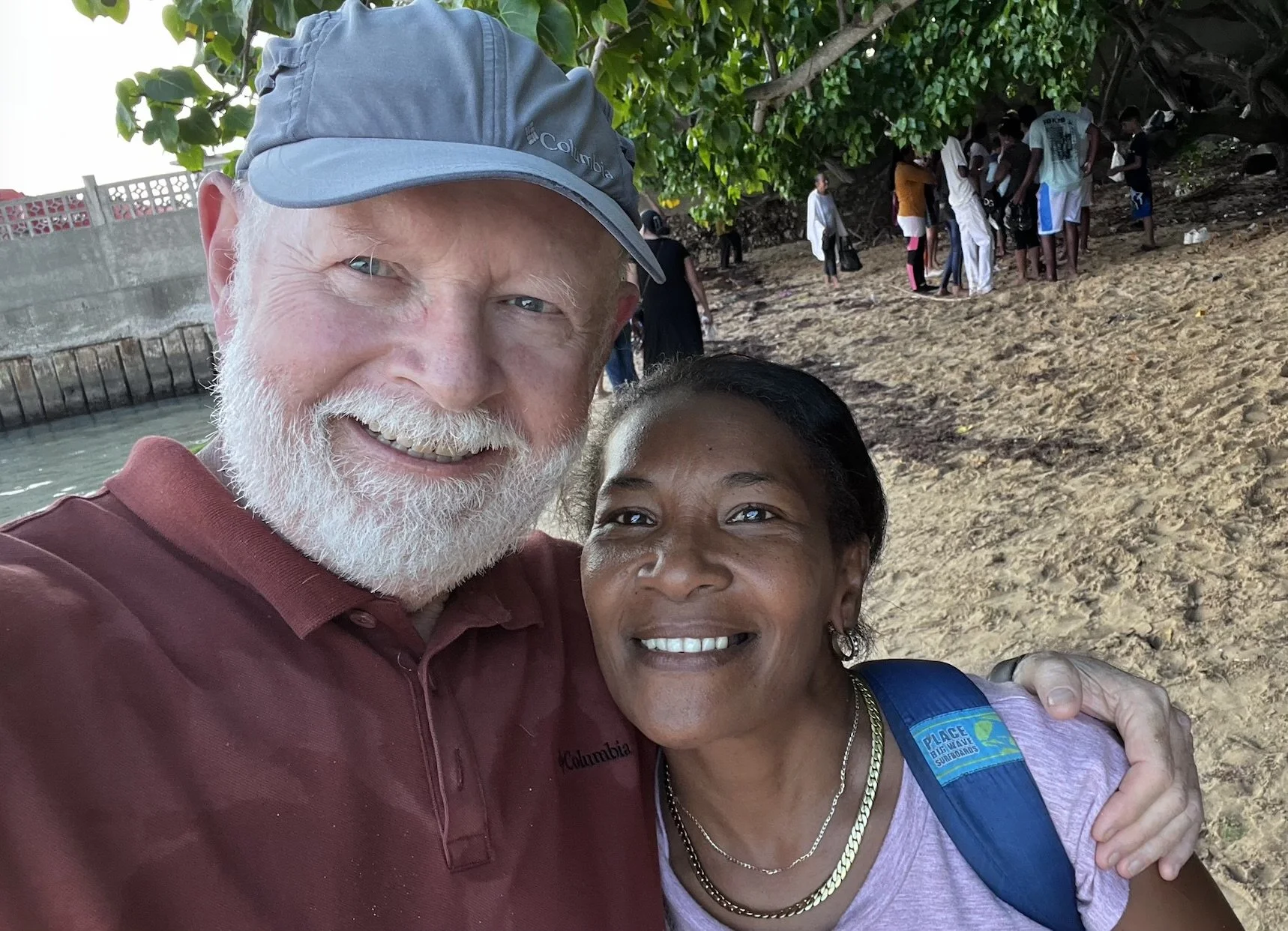
In June 2023, my husband, Andrew, and I returned to Cuba to visit our first sister church, El Mamey, after the island reopened to visitors following the COVID-19 pandemic. The trip also gave us the opportunity to celebrate our 25th wedding anniversary.

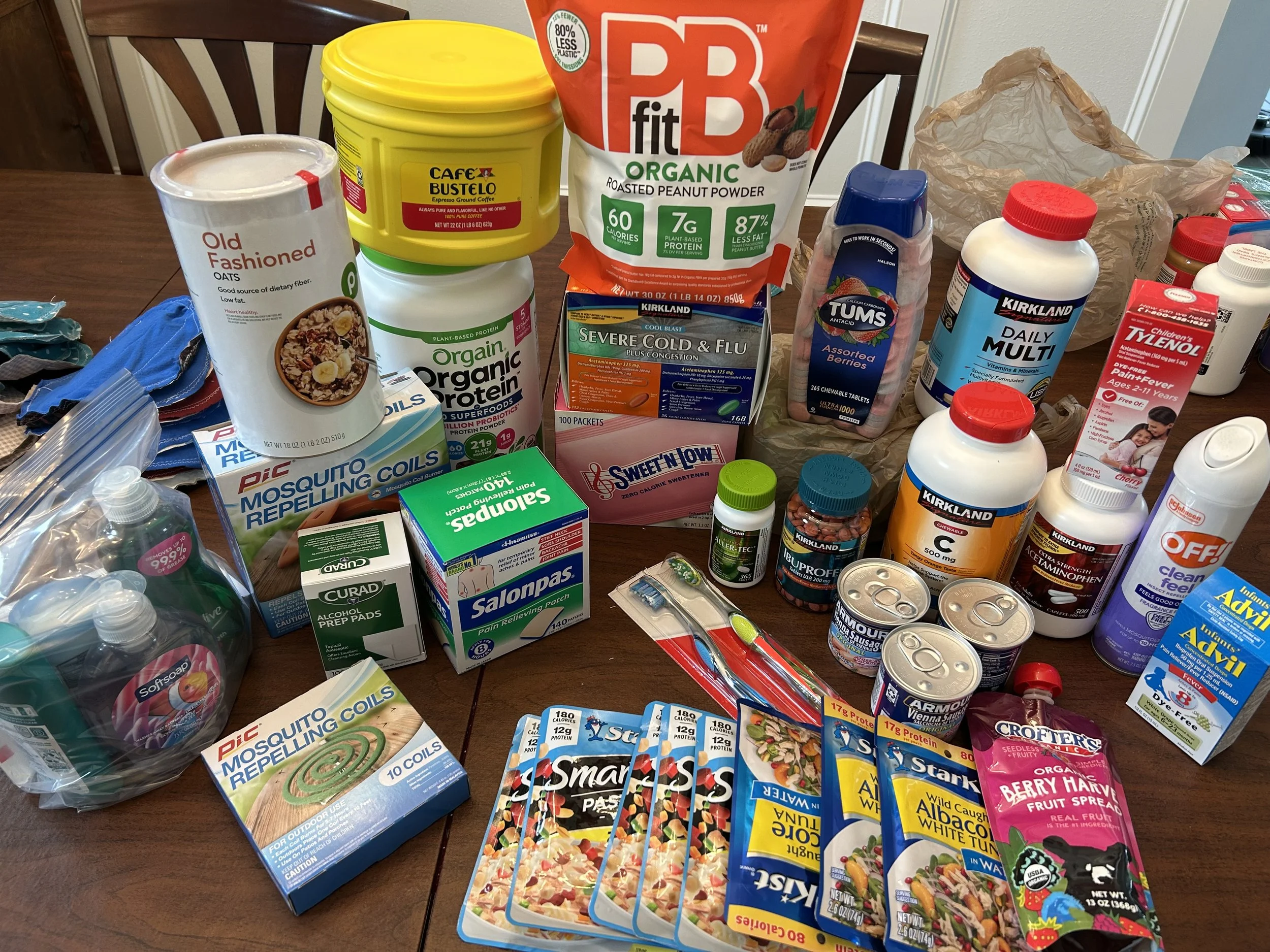
During our week in Cuba, we brought over-the-counter medicines, clothing, and other much-needed supplies. But more importantly, we spent time listening, sharing meals, visiting homes, and talking about hopes, dreams, and plans for the future. Those conversations gave us a deeper understanding of the challenges our brothers and sisters face, as well as the incredible faith that sustains them through difficult circumstances.

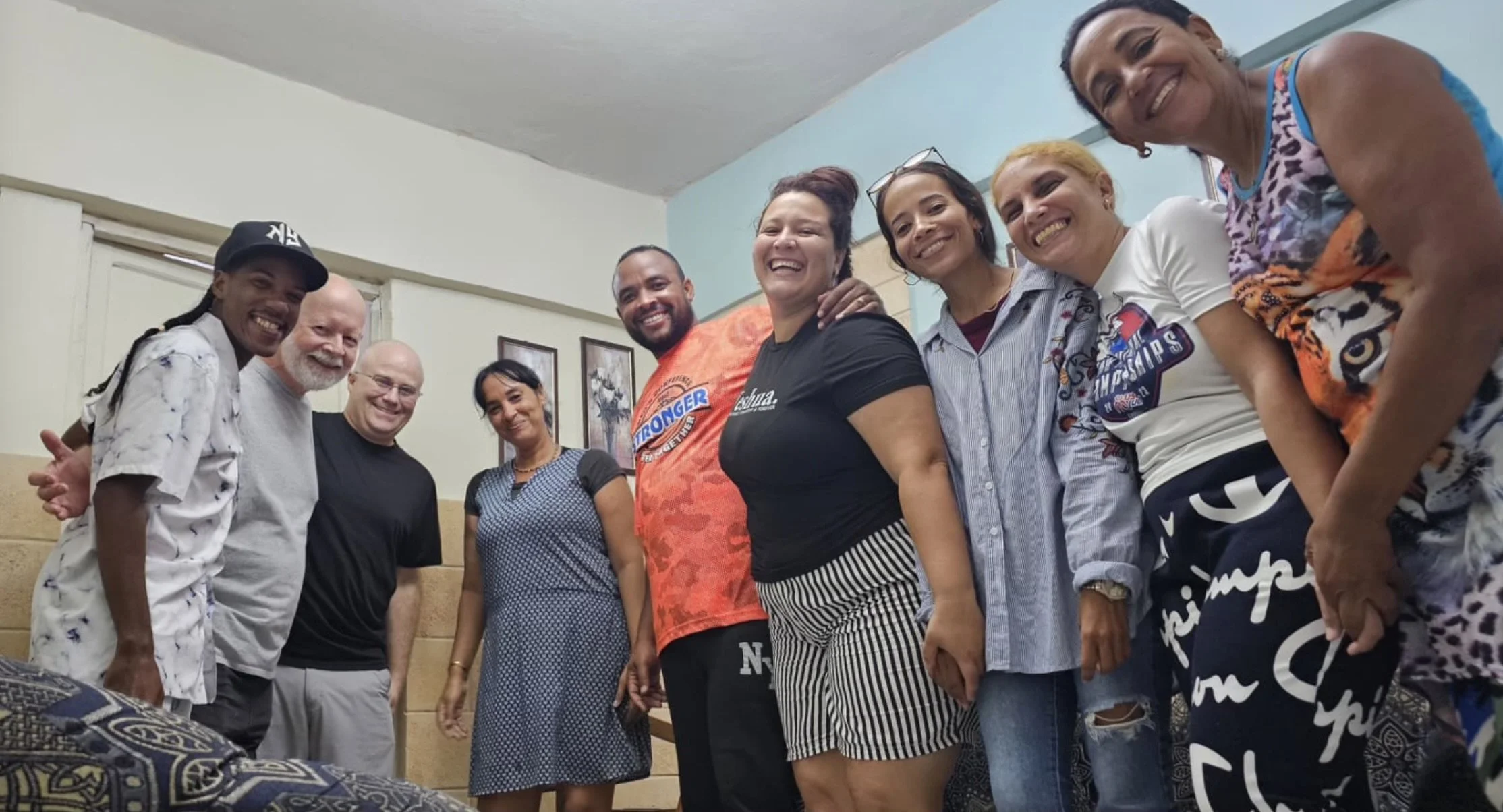
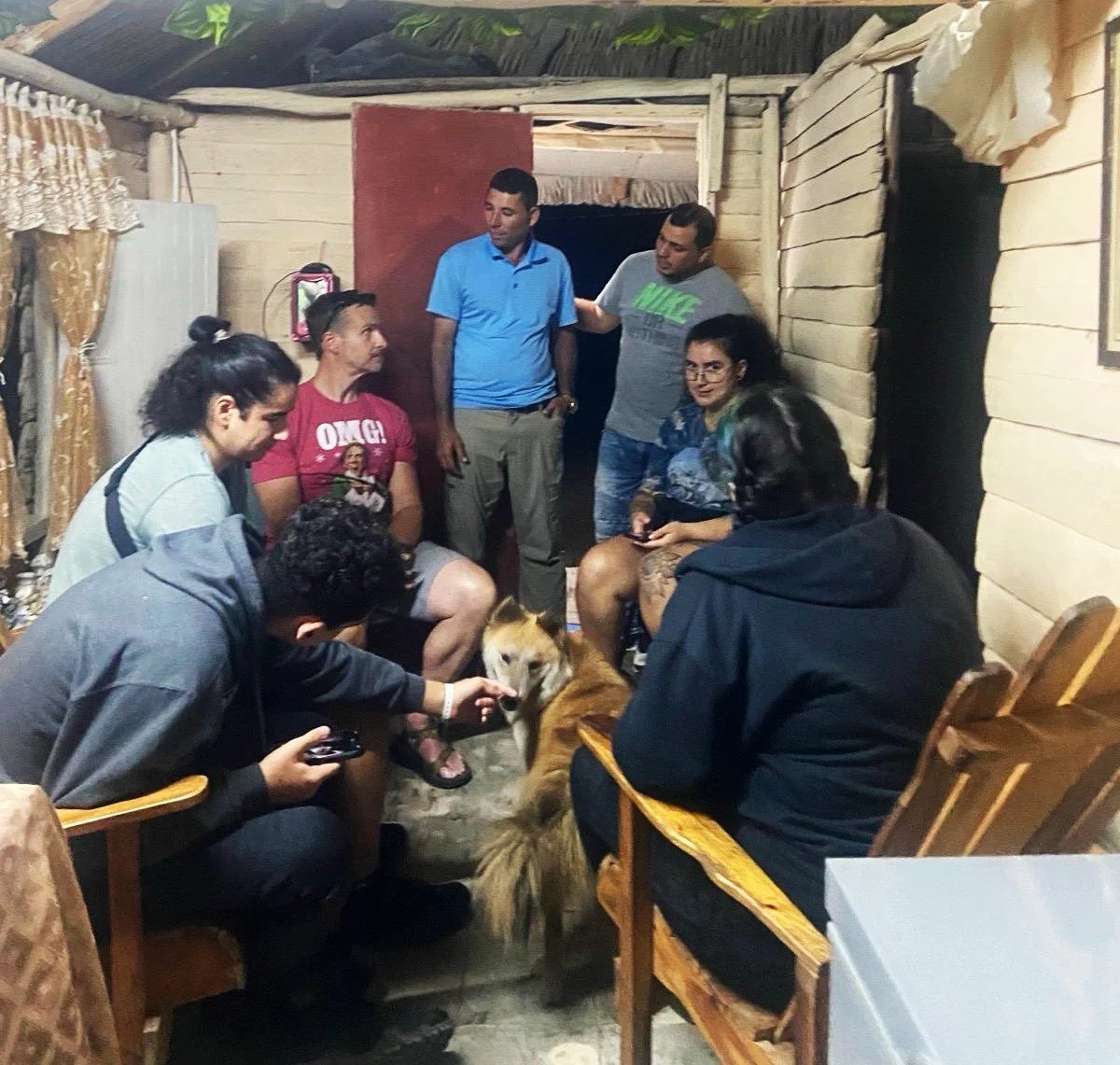
The Moore family gathers in the home of a church member, sharing fellowship, conversation, and a special time together.

Later that year, we returned for Christmas, this time bringing our four children with us. Before the trip, I asked Pastor Eriberto and my friend Katia, the children’s director, to gather a photo, clothing size, and shoe size for every member of the congregation.

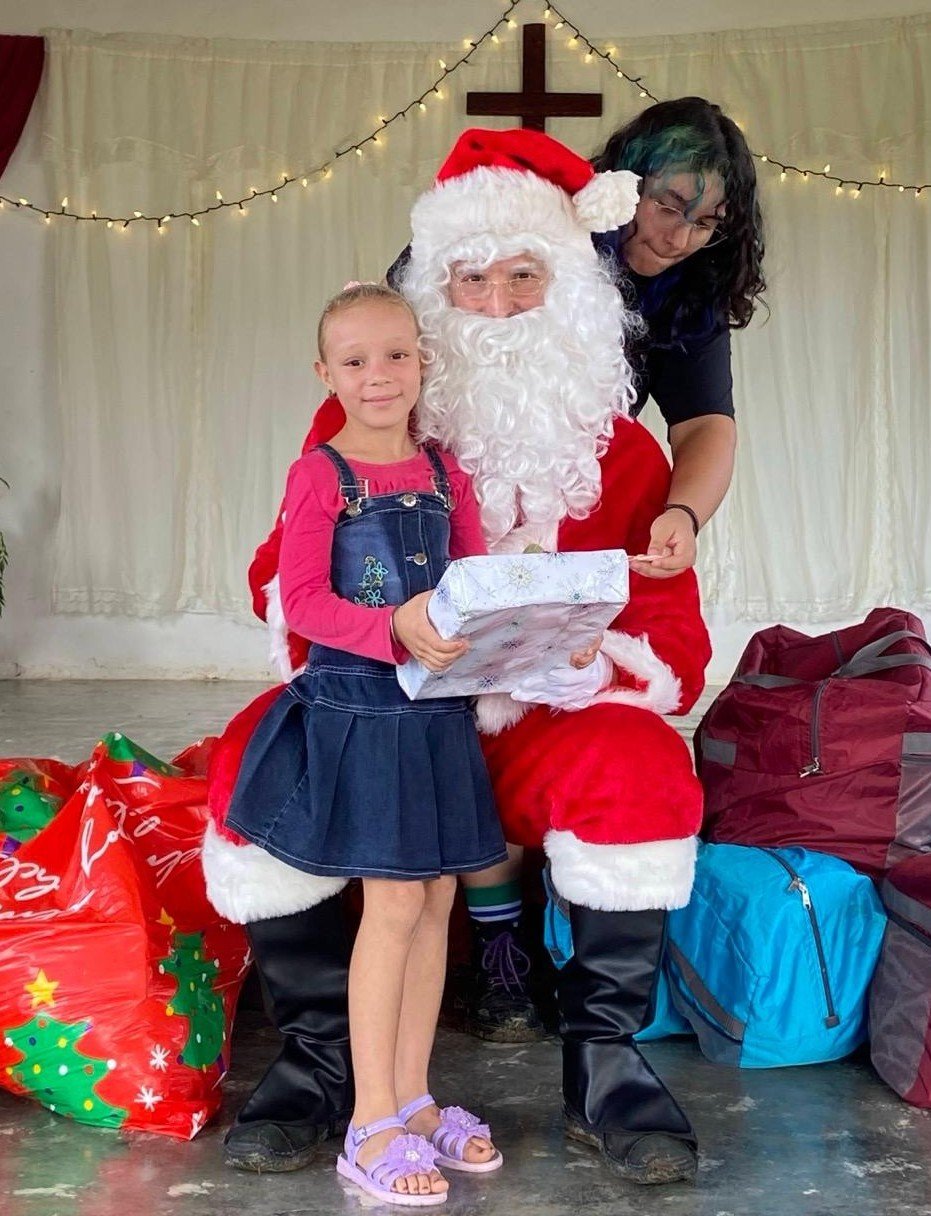
With the generous support of Parrish United Methodist Church, we prepared Christmas gifts for every church member—from Nicole, age 2, to Nina, age 90. Each person received a gift and a new outfit. Andrew even dressed as Santa Claus to make the celebration extra special!

ndrew dressed as Santa Claus delivers a Christmas gift to a child,

Andrew Moore dressed as Santa Claus delivers a Christmas gift to a child.

We also distributed individual treat bags filled with candy, chips, and cookies, along with family care packages containing essential hygiene items such as toothpaste, toothbrushes, soap, razors, and deodorant. Each family also received household supplies and cooking staples, including Goya seasoning, Maggi cubes, kitchen sponges, and other practical items.

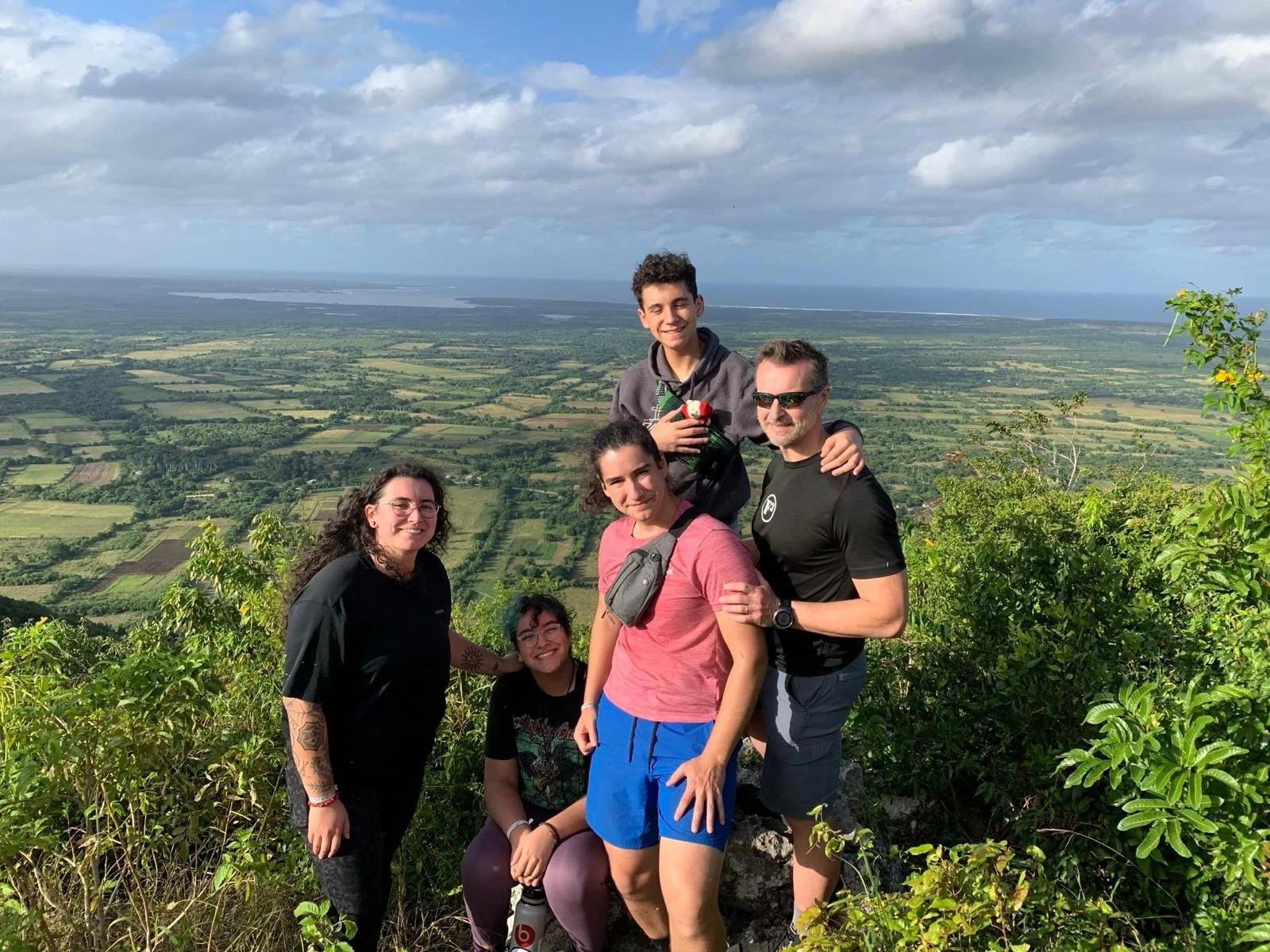
During that visit, our children, Andrew, Pastor Eriberto, and Reinier climbed La Silla de Gibara, the mountain overlooking the church. While they were hiking, I spent time with my dear friend and sister in Christ, Yamila. Together, we prayed, visited church members and neighbors, and shared fellowship throughout the community.

After reaching the summit of La Silla de Gibara, the mountain overlooking the church.

We also traveled to Caliche and Palmarito. What began as a simple visit soon became something much more meaningful. From that day forward, those congregations became our sister churches as well.

Since then, we have returned to Cuba five more times. What began as an effort to support 32 families has grown into a ministry that now touches more than 100 families and over 100 children.

I firmly believe that the most important part of a sister church relationship is the fellowship we share. Relationships come first. At the same time, providing resources is an important expression of that love. We should give our best—not simply what is left over. As I often tell my children, when we ask the Lord for something, He gives us His very best. We should strive to do the same for our brothers and sisters in Christ.

This year, we returned in June to visit all three of our sister churches. Because we plan to travel again in January and June of next year, we will not be able to return for Christmas. Instead, we asked each pastor to send us photographs of the children, along with their clothing and shoe sizes.

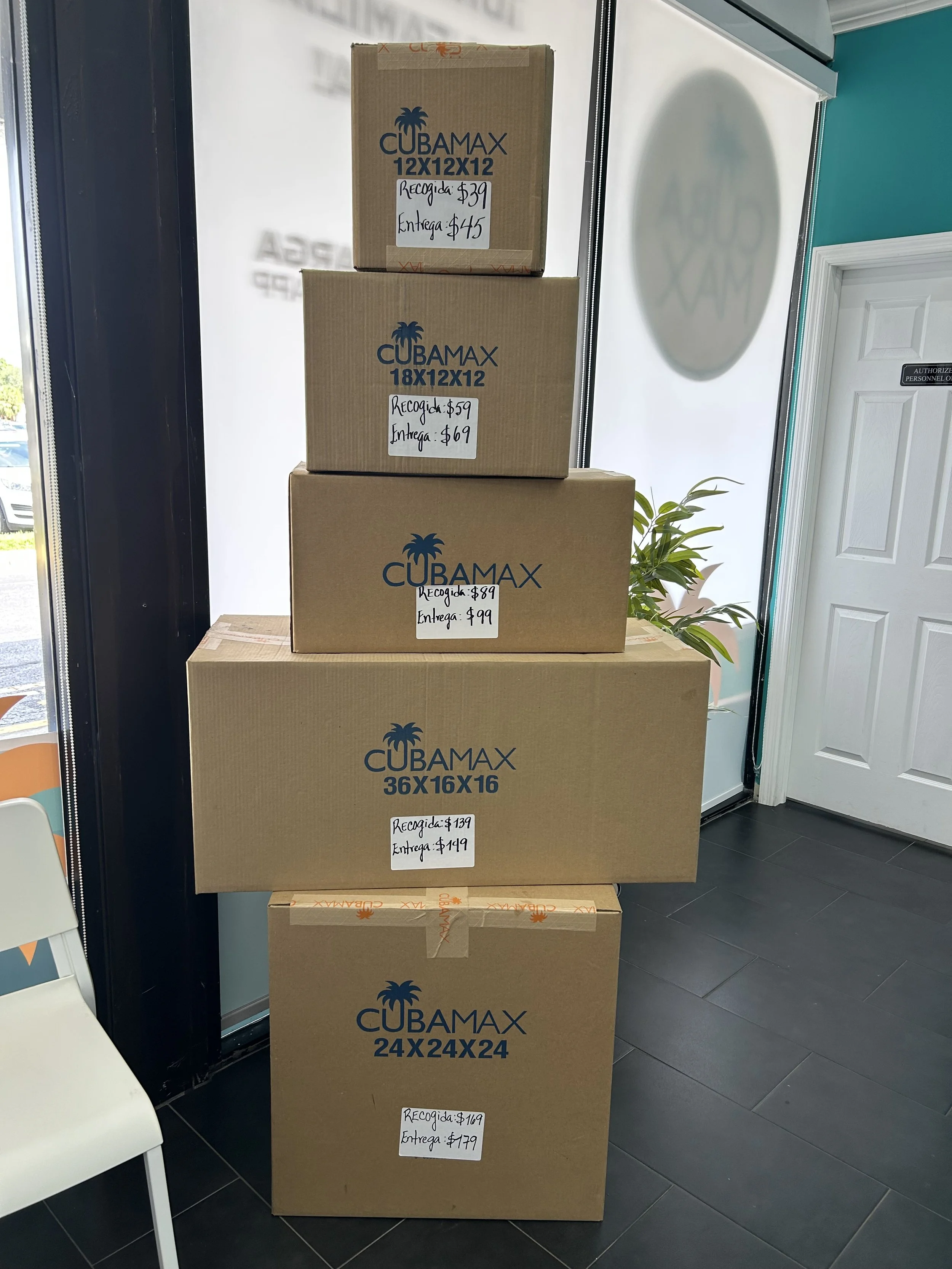
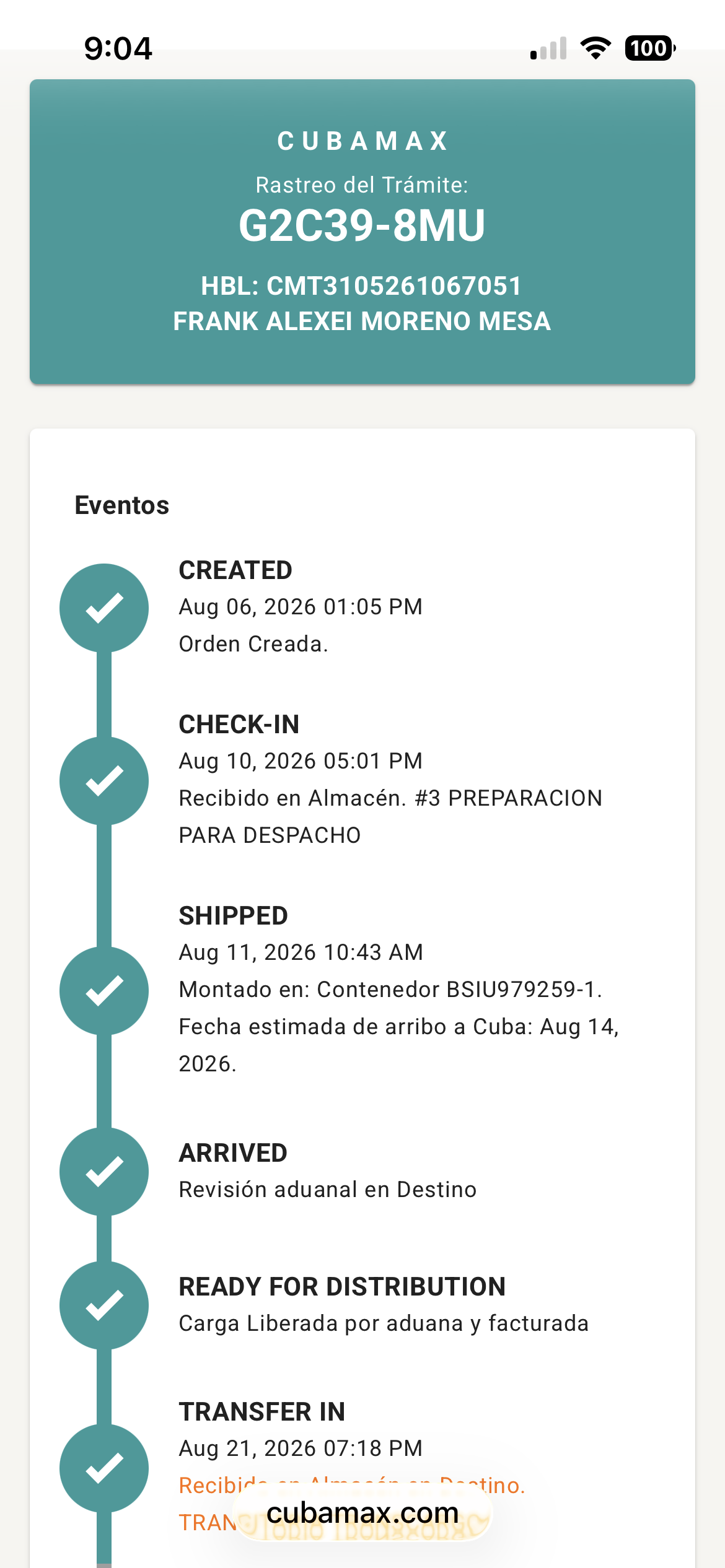
As a result, we are launching an Angel Tree program at our church to provide Christmas gifts for children in Caliche, El Mamey, Palmarito, and Potrerillo. The gifts will be packed and shipped through Cubamax so they can arrive in time for Christmas.

Through this effort, we hope every child will experience more than the joy of receiving a Christmas gift. We want them to know that they are loved, remembered, and part of an extended church family that continues to stand with them across the miles.

by Icel Rodriguez

Cuba is facing a deepening humanitarian, economic, and energy crisis—one that is affecting nearly every aspect of daily life.

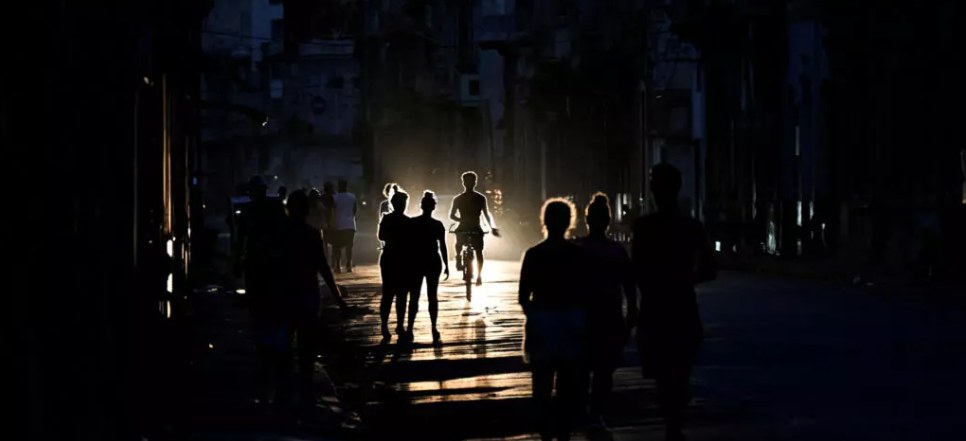
The country’s electrical grid has suffered repeated nationwide collapses this year, and many communities have endured outages lasting for hours and, in many cases, several days. This is far more than an inconvenience. For families already struggling to meet their basic needs, the energy crisis is becoming a crisis of survival.

Cubans walk on a street during a blackout in Havana, AFP

When electricity is available only for short, unpredictable periods, refrigerators and freezers cannot reliably keep food cold. For families who already have very little, losing precious food because of a prolonged blackout can be devastating. As a result, many families choose to use their limited income to purchase only the food they need for the day, at a time when food shortages and extraordinarily high prices are making these daily necessities increasingly difficult to afford.

The lack of electricity also disrupts the water supply, since pumps and distribution systems depend on power. When the electricity goes out, families may be left without running water for hours or even days, making it difficult to drink, cook, bathe, wash clothes, and maintain basic hygiene.

The healthcare system is also under tremendous strain. Severe shortages of medicines are compounded by inadequate sanitation and garbage collection, while illnesses such as dengue fever and chikungunya continue to spread. Each crisis intensifies the others, creating a cycle of hardship that is increasingly difficult for families to escape.

In the midst of all this, the Methodist Church in Cuba remains alive, faithful, and committed to service.

Churches are not only places of worship where lives are transformed through salvation in Jesus Christ. Increasingly, they are becoming places of refuge—where people find food, medicine, emotional support, practical assistance, and, above all, the love of Christ made tangible.

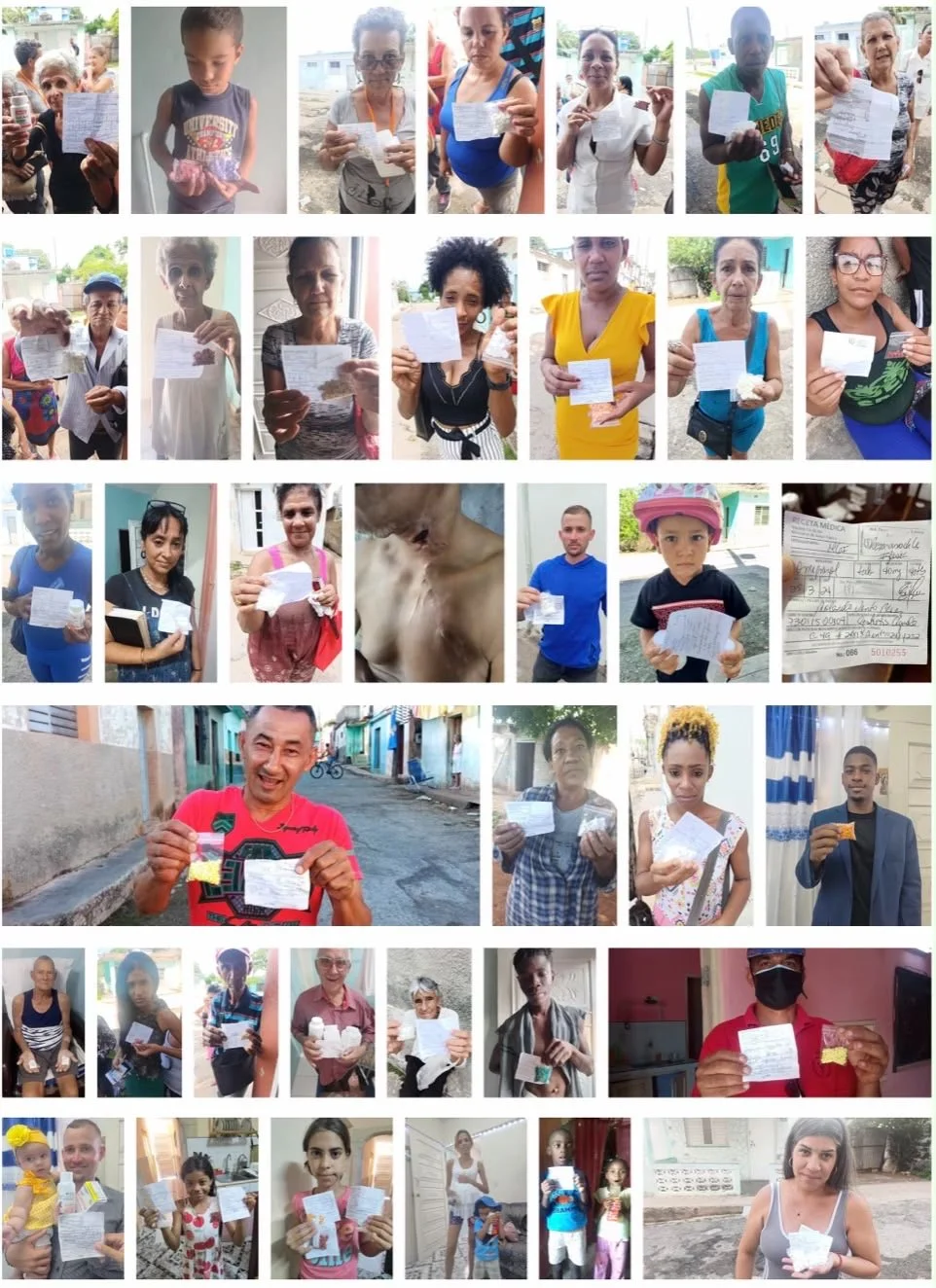
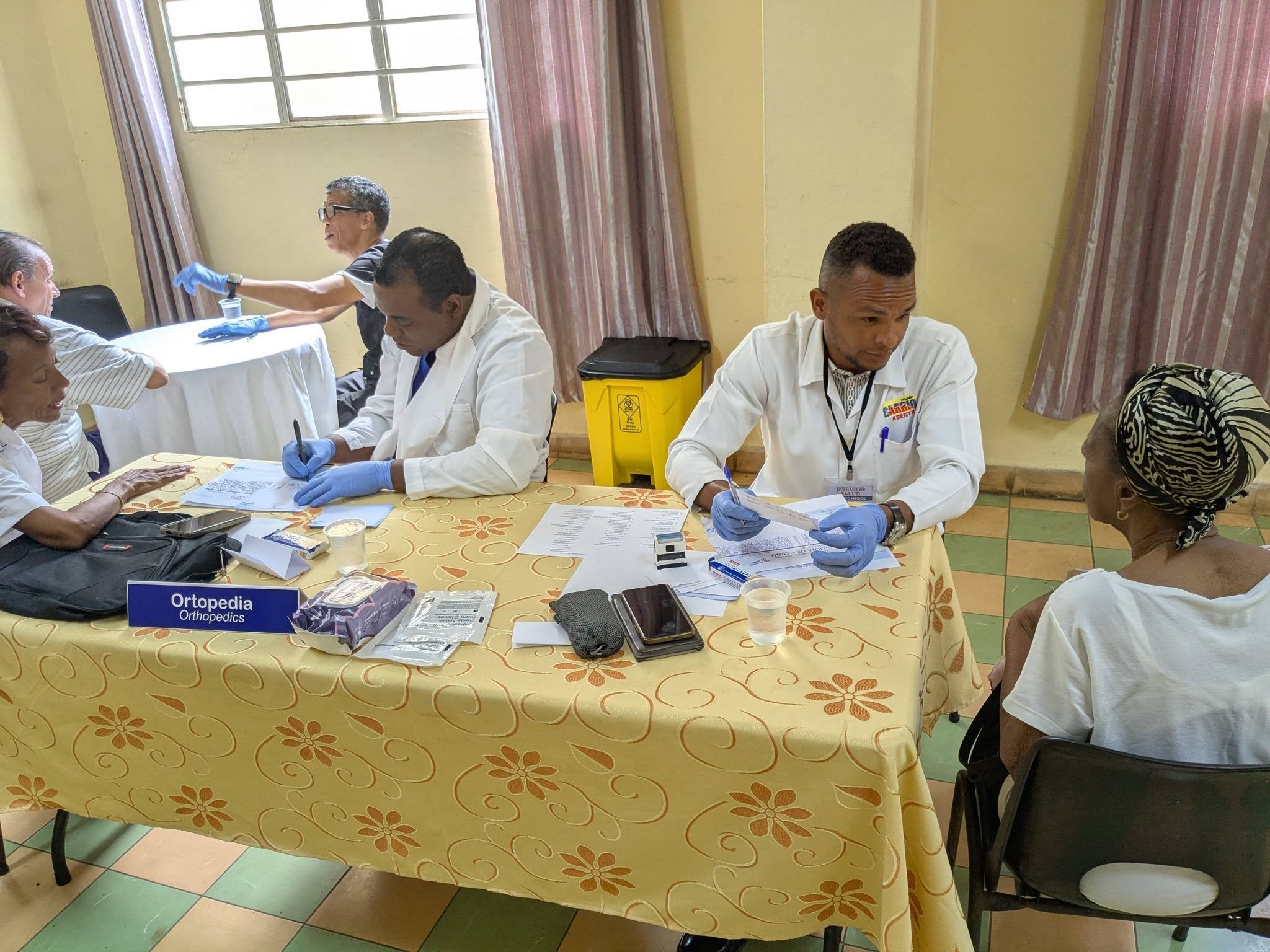
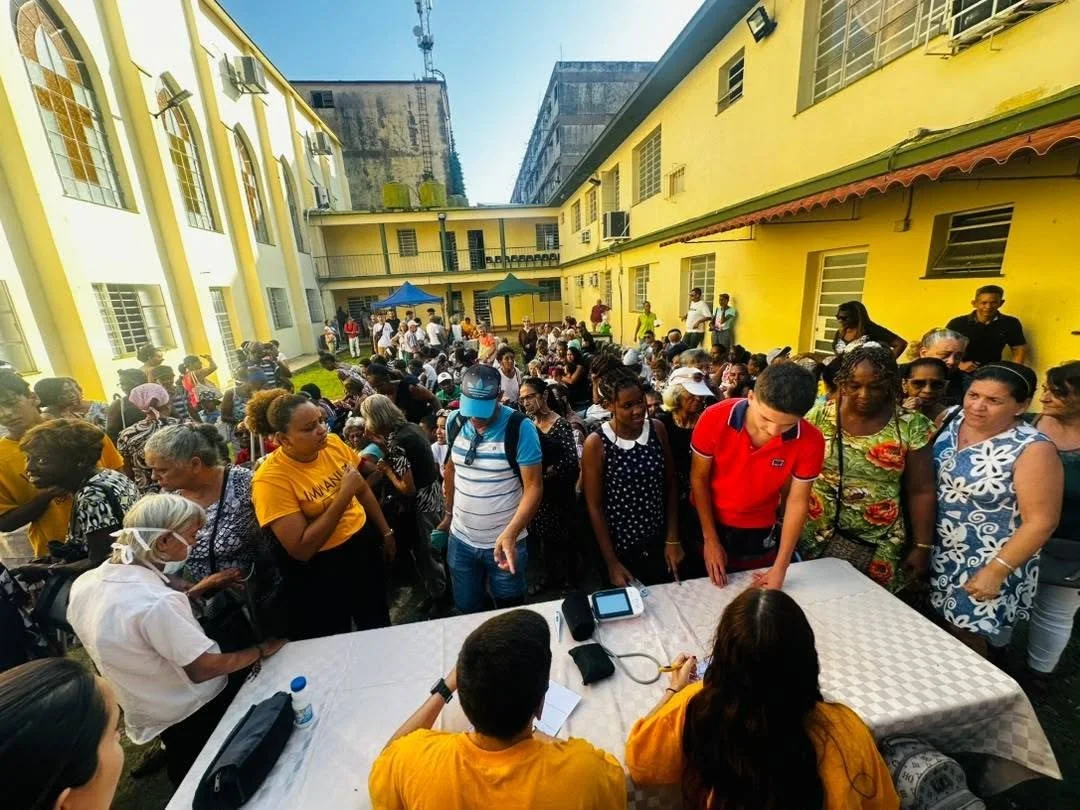
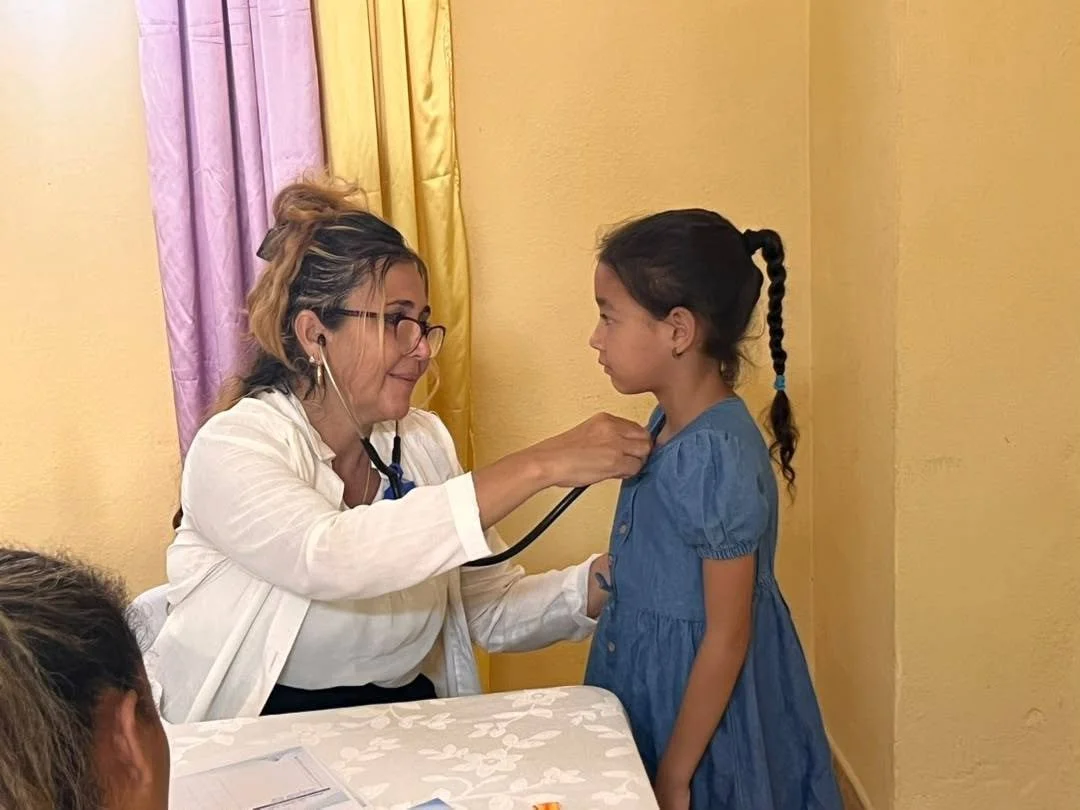
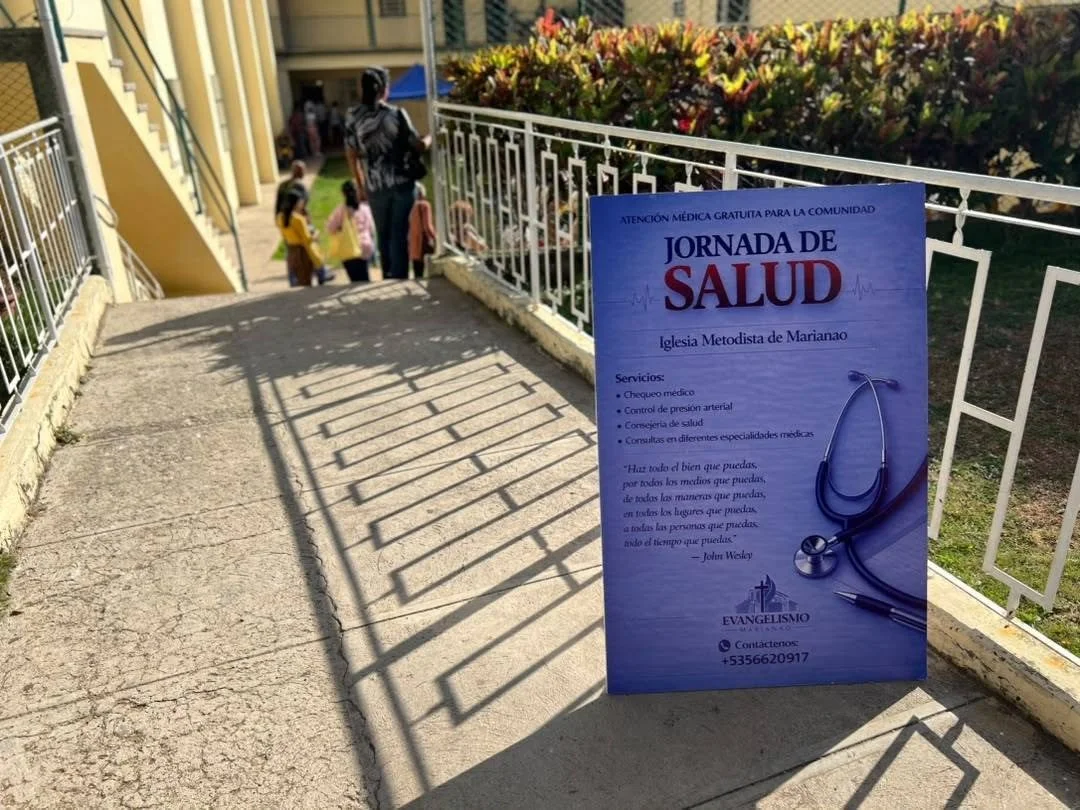
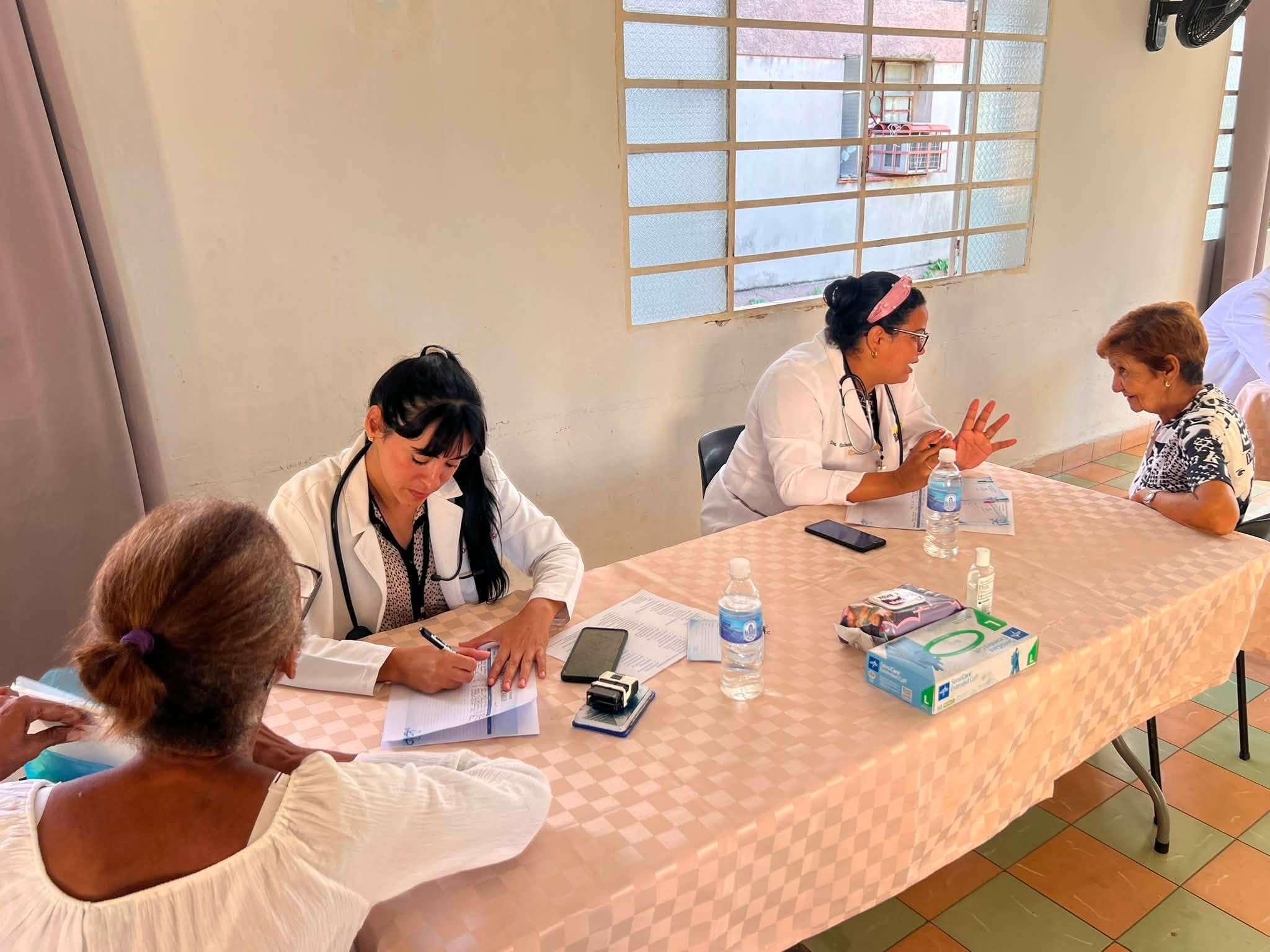
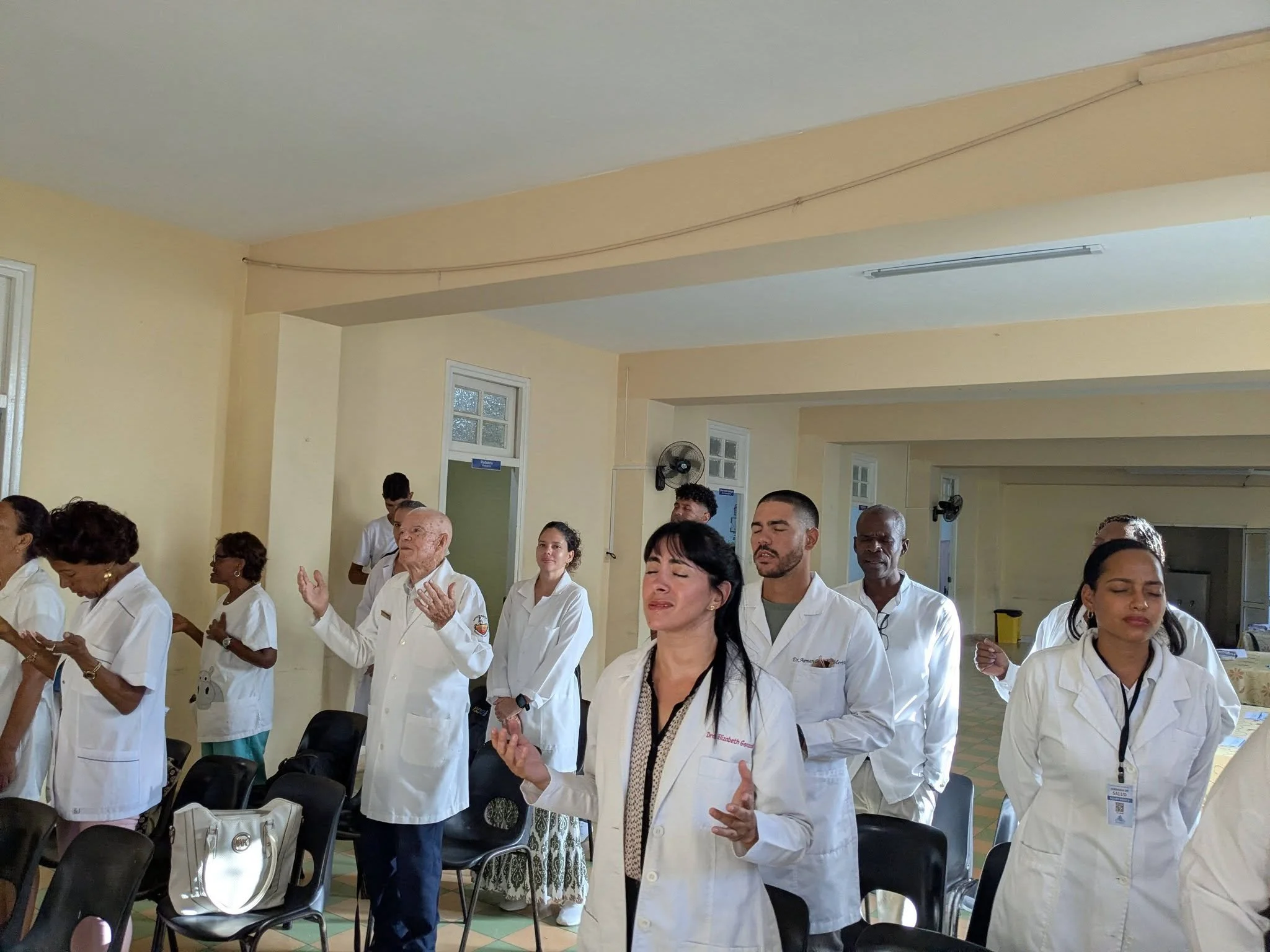
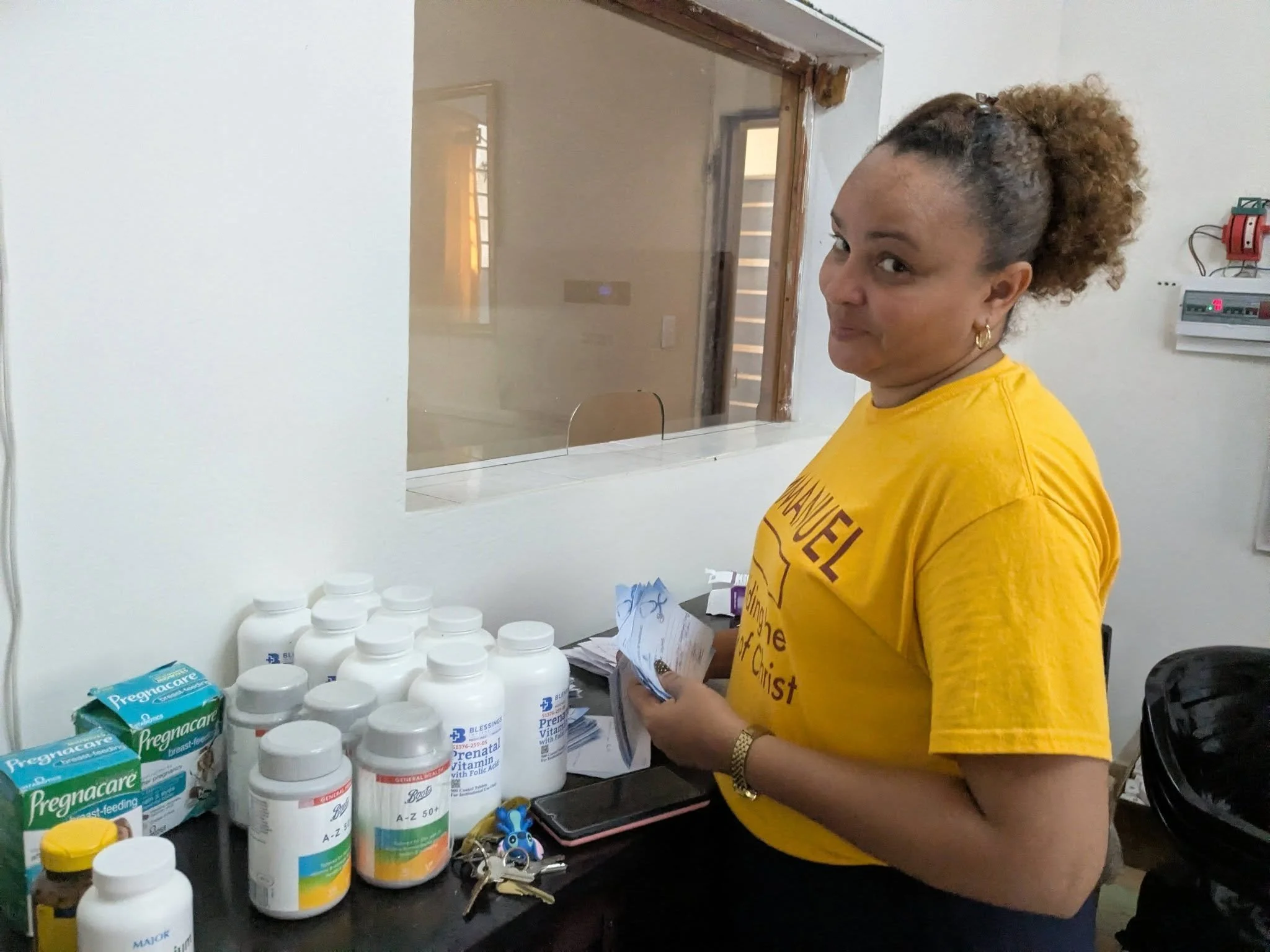
One example can be seen in Marianao, where a church-based health event brought care, medicine, and assistance directly to the community. Images from the event show faith being put into action as people came together to serve their neighbors and respond to needs that have become increasingly difficult for many Cuban families to meet.

The darkness is real. But the church has not disappeared into the darkness.

On the contrary, this crisis is revealing something deeply important about the Methodist Church in Cuba: its ministry is becoming increasingly tangible. Faith is being expressed not only through words and worship, but through meals shared, medicine distributed, prayers offered, families supported, and neighbors cared for.

In a time when so much feels uncertain, these churches remind us of a simple but powerful truth: ministry does not depend on ideal circumstances. Faithfulness can be found in keeping the doors open, sharing what little is available, caring for a neighbor, and continuing to serve when doing so is difficult.

And here is where CUBA Ministry becomes part of the story.

Through the generosity of churches, individuals, and ministry partners in the United States, CUBA Ministry comes alongside the Methodist Church in Cuba, helping local churches and pastors continue the work they are already doing in their communities.

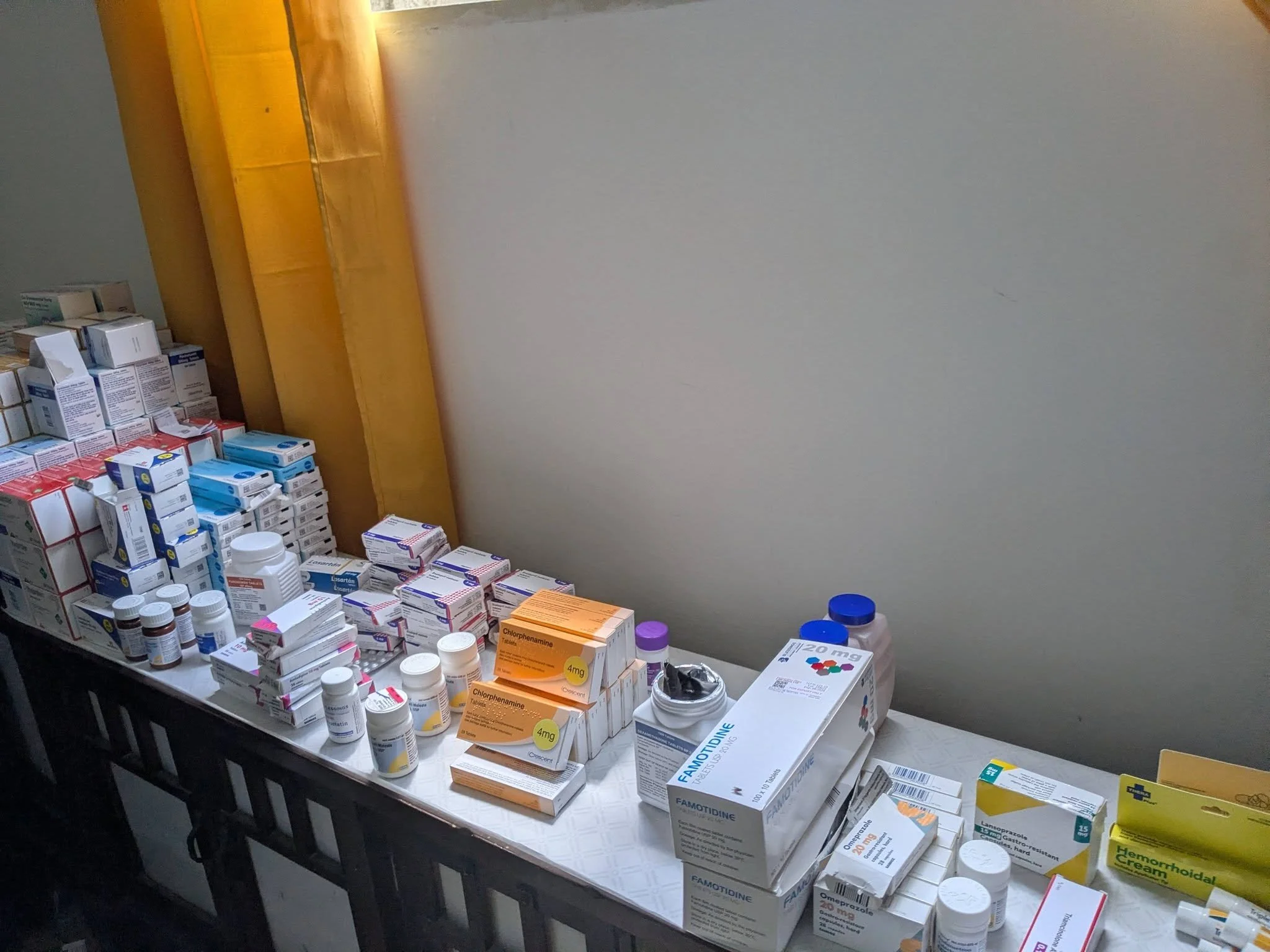
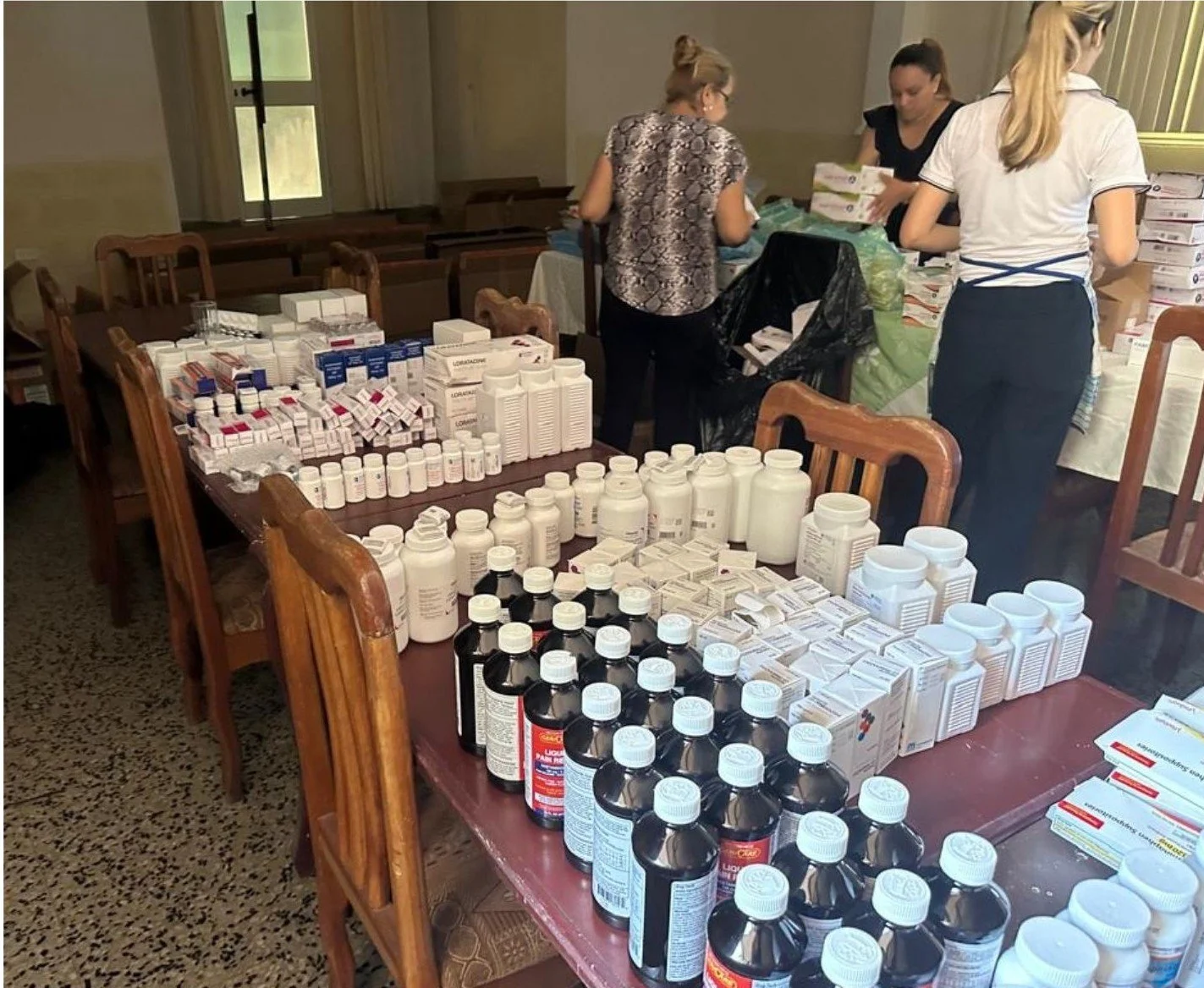
That support takes many forms. Monthly salary supplements help pastors continue serving despite a basic monthly salary of only $8. Packages of prescription and over-the-counter medicines help address critical shortages and support church-based medical commissions. Solar generators provide churches with essential power during prolonged outages, and water filtration systems help provide safer drinking water while creating another practical way for churches to serve their neighbors.

A group of volunteers in Havana sorts and organizes medicines donated by CUBA Ministry.

None of these efforts can solve Cuba’s enormous challenges. But each one represents something important: a reminder that the Methodist Church in Cuba is not alone.

A salary supplement can help a pastor continue serving. Medicine can bring relief to someone who is sick. A water filter can help protect a community. A solar generator can bring light and essential power during a blackout. And a gift of food can put a meal on a family’s table.

Through CUBA Ministry, we have the privilege of standing alongside the Methodist Church in Cuba—not simply as donors, but as partners in ministry, faith, and hope.

We invite you to learn more about this ministry, pray for the pastors, churches, and communities serving throughout Cuba, share their stories, and discover ways to become part of this work. If you would also like to support these efforts financially, visit cubaministry.org/give and designate your gift “Wherever Needed Most.” To learn more about other ways to participate, please contact me at icel@cubaministry.org.

by Lynn Bordelon

Mrs. Lynn Bordelon, District Coordinator for the Sierra Maestra region in eastern Cuba.

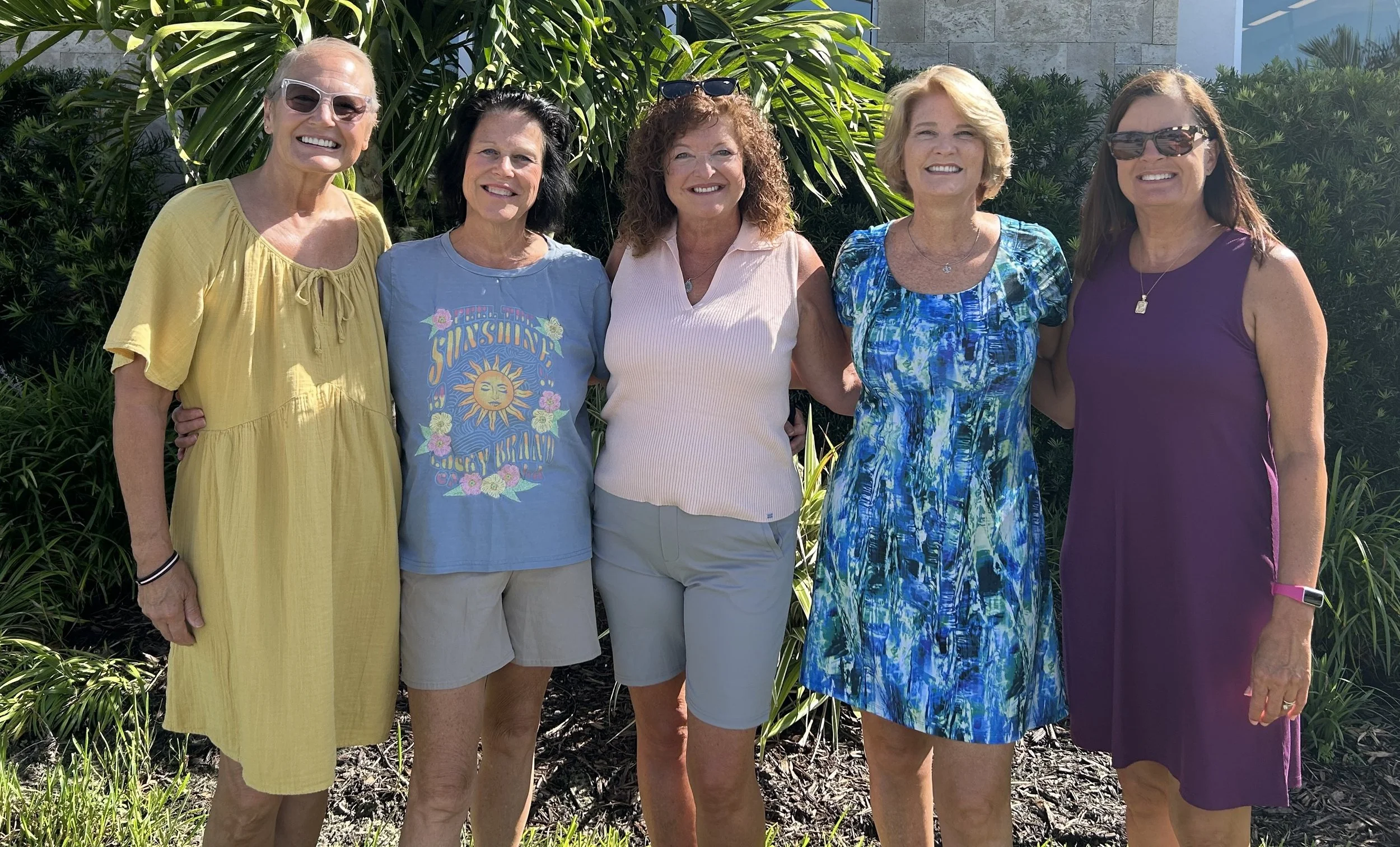
After moving into a new neighborhood last year, I began the process of making new friends. Little did I know that God would use my neighbors to help bring to life a vision that had been on my heart: creating sustainable women's hygiene kits for our district in Cuba—especially since I can't sew!

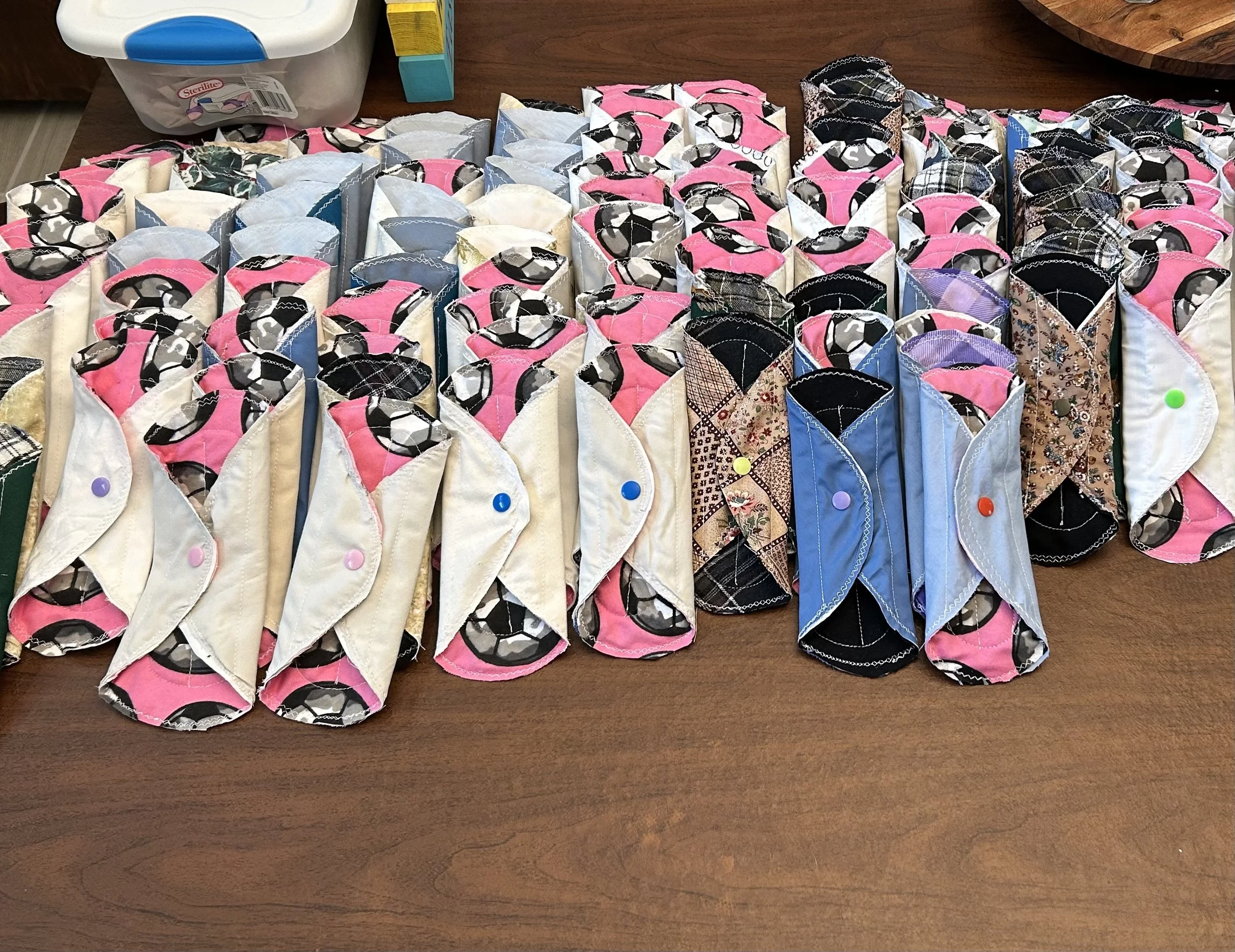
Serving through the Christians United By Amor (CUBA) Ministry has been a beautiful opportunity to put God's love into action. Together, this faithful group of women began designing and crafting reusable hygiene kits for women in need. Using donated materials, we gather in fellowship to cut fabric, sew the kits, attach snaps, and pray that each one will be a tangible reminder of Christ's love and care for the woman who receives it.

Our work reminds me of Dorcas, whose compassionate service to those in need is described in Acts 9:36. Like her, we have discovered that even simple acts of kindness can become powerful expressions of God's love.

This ministry has brought us together in service, deepened our friendships, and allowed each of us to use the gifts God has given us to bless others. By His grace and through the generosity of many supporters, we have completed and shipped approximately 812 reusable hygiene kits this year. We pray that these kits will provide not only practical assistance but also hope, dignity, and the assurance that each woman who receives one is deeply loved by Christ.

I am truly blessed to have such an incredible group of friends who not only embraced this vision but helped it grow far beyond what I imagined. I can't wait to see what God has in store for our next project as we continue to follow His leading together.

Note: If you'd like to learn more about making reusable hygiene kits for girls and women, we'd be happy to share our instructions and experience with you. Please feel free to contact Lynn Bordelon at lynn.bordelon@yahoo.com.

Lynn's neighbors gather regularly to assemble reusable hygiene kits for women.

Download the How-To Guide or Watch the Instructional Video.

by Renee Kincaid

How did it Begin?

A Story of Faith, Perseverance, and Partnership

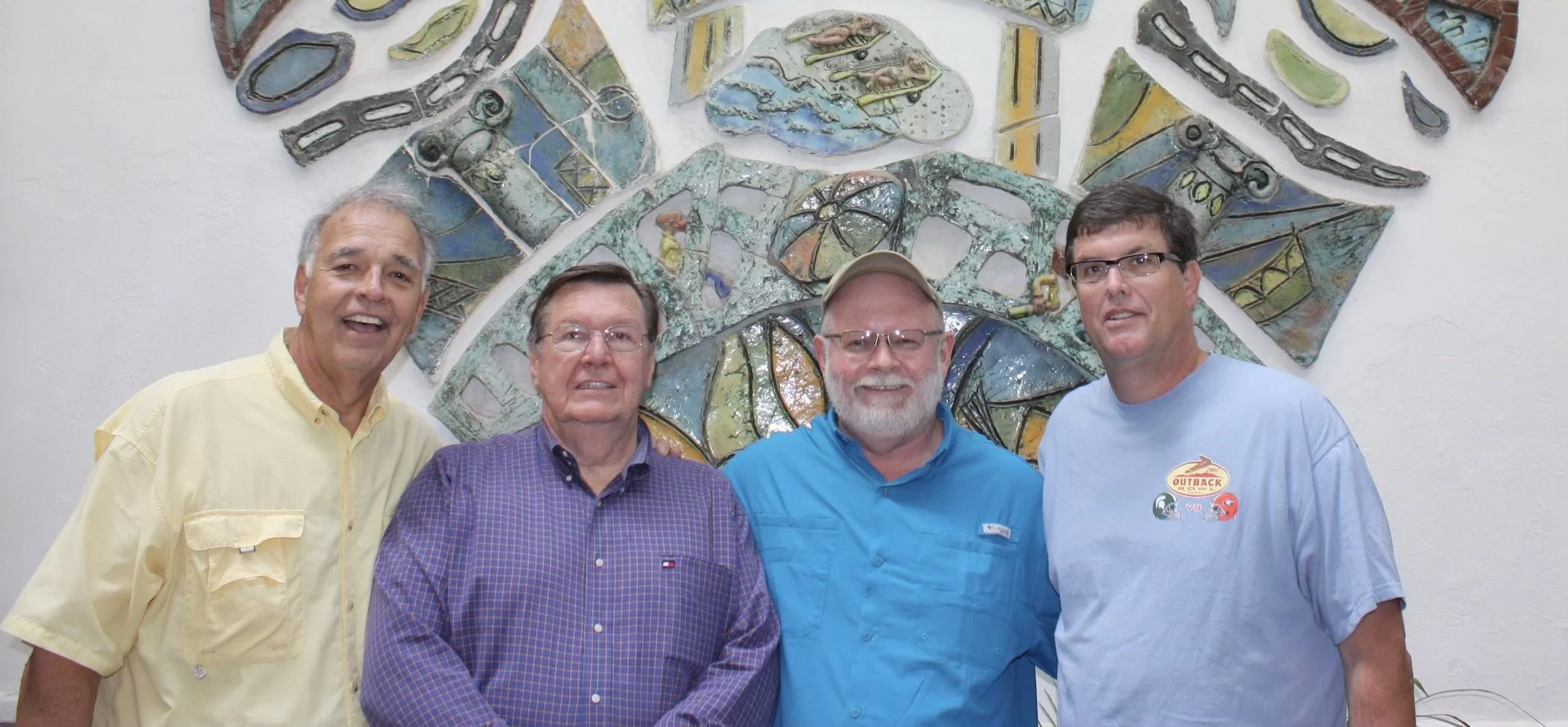
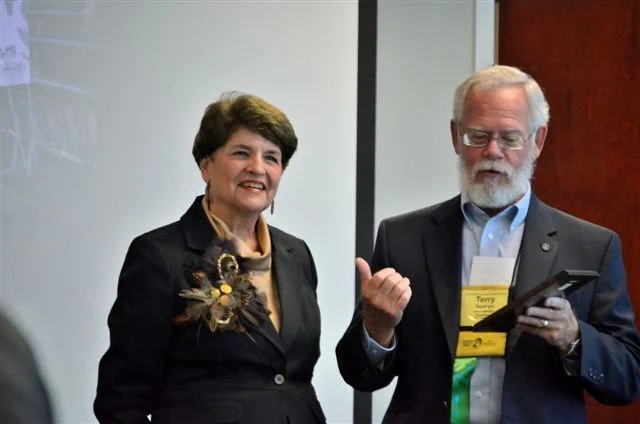
Mrs. Renee Kincaid and Mr. Terry Denham, former Secretary and Chairperson of CUBA Ministry, respectively.

Christianity in Cuba has endured extraordinary challenges while producing remarkable spiritual fruit.

During Spanish rule, Cuba was officially a Roman Catholic colony, as Spain sought to spread Christianity throughout the New World. Following Spain's defeat in the Spanish-American War in 1898, Cuba gained its independence. Protestant denominations from the United States soon began sending missionaries to the island. New congregations were established in homes, hotels, and other gathering places, laying the foundation for vibrant evangelical and Methodist ministries across Cuba.

The greatest challenge to Christianity came after the Cuban Revolution of 1959. Fidel Castro's government viewed many established churches as potential threats to the new socialist state. Church schools and other private educational institutions were nationalized or closed, and many church properties were confiscated.

The impact on the church was devastating. Within a few years, the number of clergy declined dramatically as missionaries, priests, pastors, and many Christian leaders left the island. In less than two years, all 53 United Methodist missionaries from the United States had departed. All but five ordained Cuban Methodist pastors and their families also emigrated.

Faced with empty pulpits and growing congregations, the church responded with extraordinary faith. Young adults—and even young women, uncommon for that time—answered God's call to preach, teach, and serve throughout the countryside. What appeared to be a time of great weakness became the beginning of a remarkable spiritual renewal.

During the early 1960s, Cuba officially declared itself an atheist socialist state. Christians often experienced discrimination in employment, education, and public life. Yet the church endured. As Methodist historian Dr. Matthew Ware observed, Christianity had taken root in "fertile, though troubled, soil." Despite enormous obstacles, Cuban believers faithfully contended for the faith, trusting that God would continue His work.

During the 1980s and early 1990s, the Cuban government gradually relaxed restrictions on religious practice. In 1992, Cuba officially changed its constitutional status from an atheist state to a secular one, allowing churches greater freedom to worship and minister.

A significant turning point came in December 1994 when Bishop H. Hasbrouck Hughes visited the Methodist Church in Cuba. Cuban Christians warmly welcomed him and expressed a deep desire to restore the fellowship they had once shared with their brothers and sisters in Florida. Many admitted they had felt isolated—and some even "abandoned"—during the decades of separation.

Yet God had been faithfully preparing His church. During those difficult years, the Holy Spirit transformed the Cuban church from within, laying the spiritual foundation for extraordinary growth in the years that followed.

In July 1996, with the support of Bishop Cornelius Henderson, the Cuba/Florida Covenant Task Force was formed to re-establish and strengthen relationships between Christians in Cuba and Florida. I was deeply honored to serve as a member of that Task Force.

My own journey made this work especially meaningful. I came to the United States on June 3, 1961, and did not return to my beloved homeland until 1997. Since then, God has graciously allowed me to return many times to serve alongside His people in Cuba. It has been one of the greatest blessings of my life.

The Cuba/Florida Covenant was formally ratified in 1997. Its purpose was to strengthen the bonds of Christian love between churches in Cuba and the United States and to support local congregations, pastors, and church members through prayer, fellowship, and shared ministry.

The Covenant called believers to pray for one another, exchange mission teams, pastors, teachers, and lay leaders, respond to the priorities identified by the Cuban church, and build lasting relationships that would encourage both nations in their shared mission of making disciples for Jesus Christ.

In 2009, the ministry became Methodists United in Prayer (MUIP). Ten years later, MUIP members established Christians United By Amor (C.U.B.A.) Ministry, a 501(c)(3) nonprofit organization that expanded the ministry to serve and partner with Christian denominations across the United States. Although the ministry's name and reach have evolved over the years, its mission, vision, and purpose have remained steadfast.

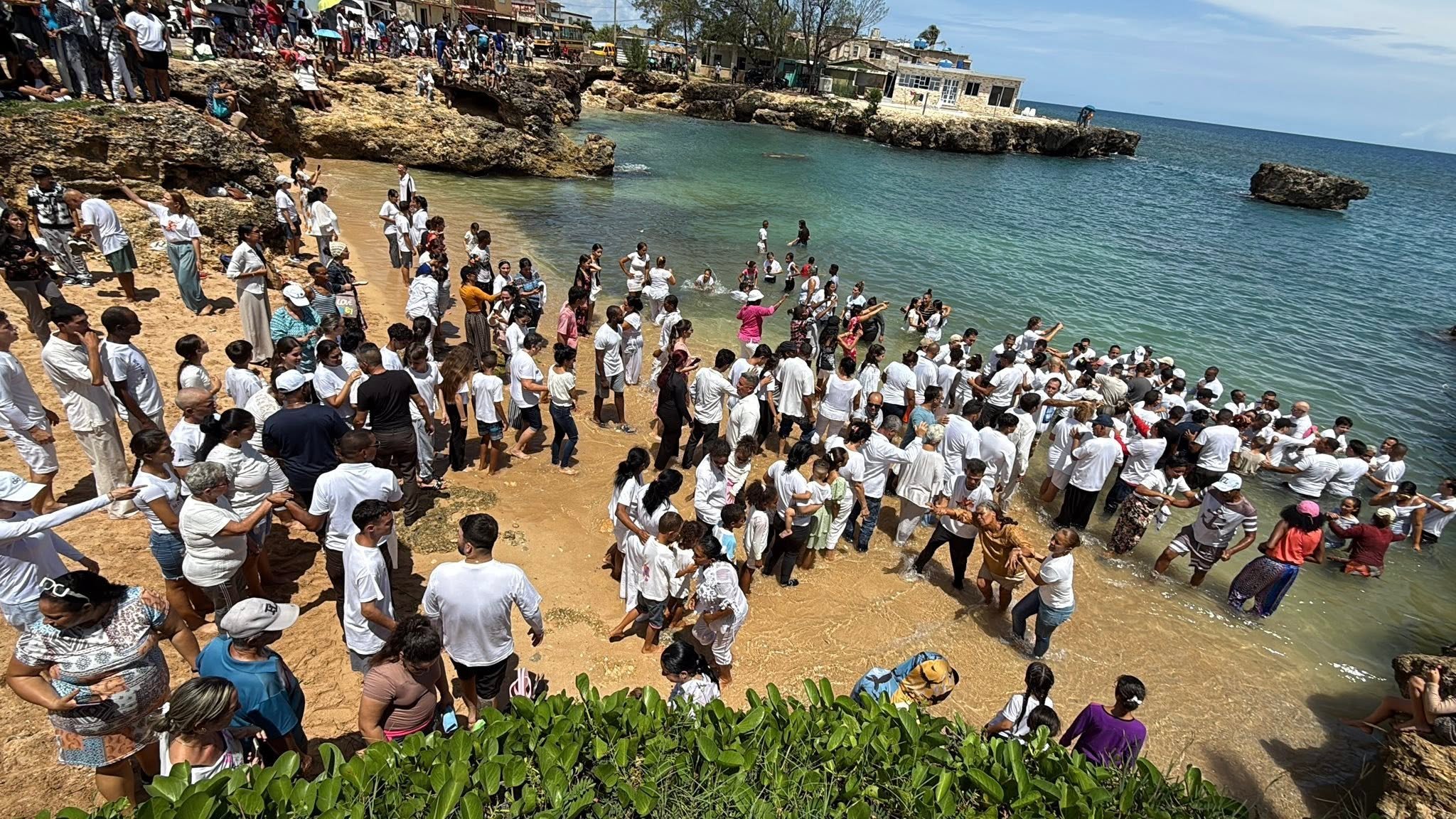
The growth of the Methodist Church in Cuba has been nothing short of remarkable. In 1959, there were approximately 120 chartered churches and missions. Today, there are more than 630 chartered churches, over 1,300 missions and house congregations, and tens of thousands of people actively participating in worship, discipleship, and church life. Countless seekers are enrolled in discipleship classes, where they study Scripture, learn the practices of stewardship and faithful Christian living, and prepare for baptism and church membership.

Since its inception, Cuba Ministry has sent countless mission teams across the island. These teams visit sister churches, participate in conferences and youth camps, encourage pastors, and bring much-needed supplies. We often say that we travel to Cuba carrying material gifts, but we always return carrying something far greater—the joy, faith, and inspiration of the Holy Spirit.

The partnership has also flourished in the opposite direction. Cuban pastors and lay leaders have visited churches throughout the United States, sharing God's Word, strengthening congregations, and experiencing the love and hospitality of their American brothers and sisters.

Over the past three decades, thousands of volunteers and generous supporters have provided financial assistance, medicines, food, educational materials, and countless other resources to help meet both physical and spiritual needs throughout Cuba. Together, they have reminded the Cuban church that they are never alone.

As Scripture reminds us:

"Though one may be overpowered, two can defend themselves. A cord of three strands is not quickly broken." — Ecclesiastes 4:12

With God's blessing and the extraordinary generosity of faithful Christians, this partnership has carried hope to even the most remote communities across the island.

Next year, Cuba Ministry will joyfully celebrate 30 years of serving our Lord through this unique partnership. Across the Florida Straits, believers have demonstrated that the love of Christ knows no borders. Together we continue to fulfill the Great Commission—making disciples of Jesus Christ, encouraging one another in faith, and always being "prepared to give an answer to everyone who asks you to give the reason for the hope that you have" (1 Peter 3:15).

To God be the glory for all that He has done—and for all that He has yet to do!